From The Grasslands, Even Through The Clouds
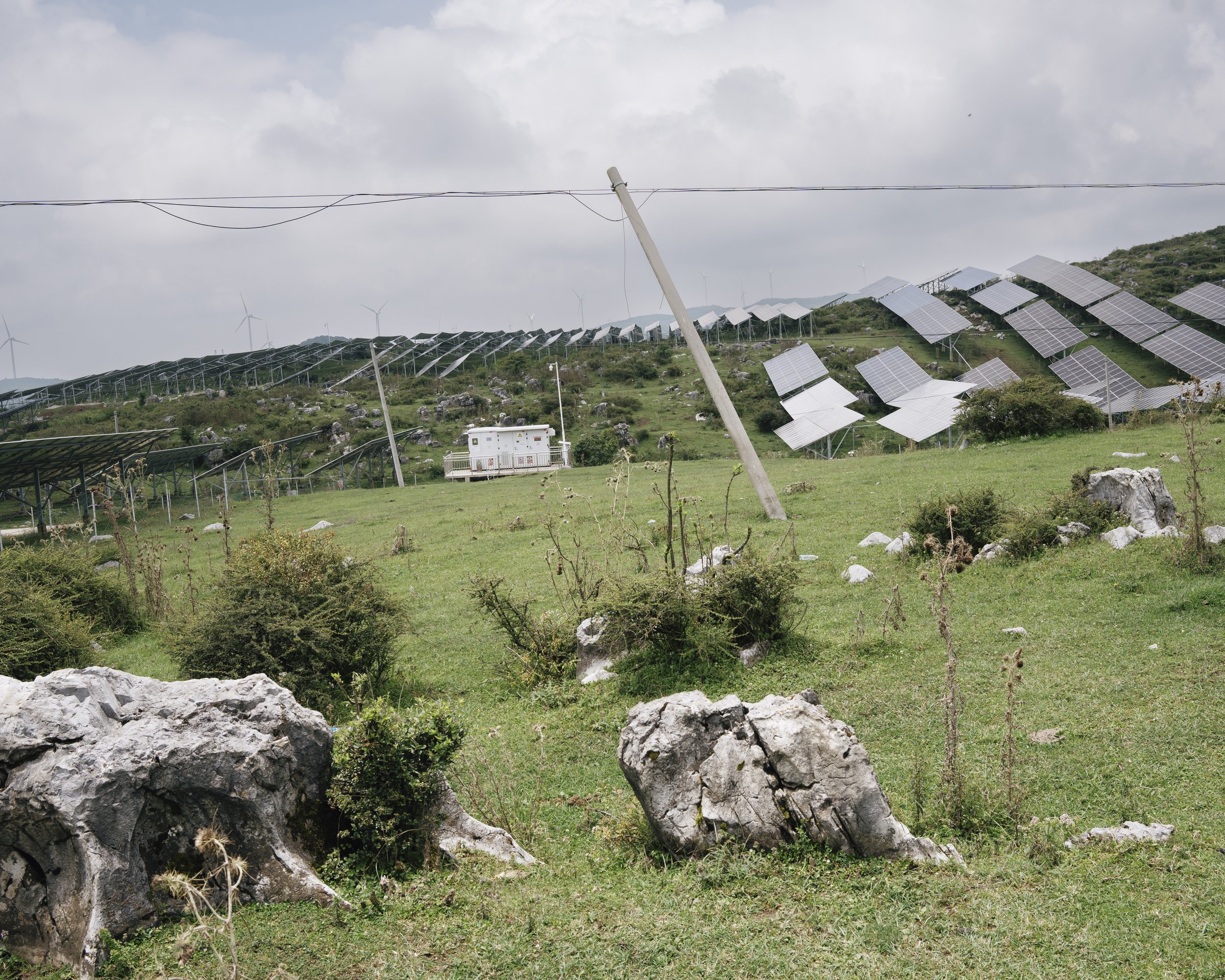
This work was created during an artist residency in Guizhou(southwest China), integrating performance, imagery, and video. There are five sections, through field research, engaging with the local natural environment and customs to explore the intervention of rapid social tourism development within the traditional pastoral practices of the local Yi herders.
Section 1 <Plants, Folk Songs and Family>
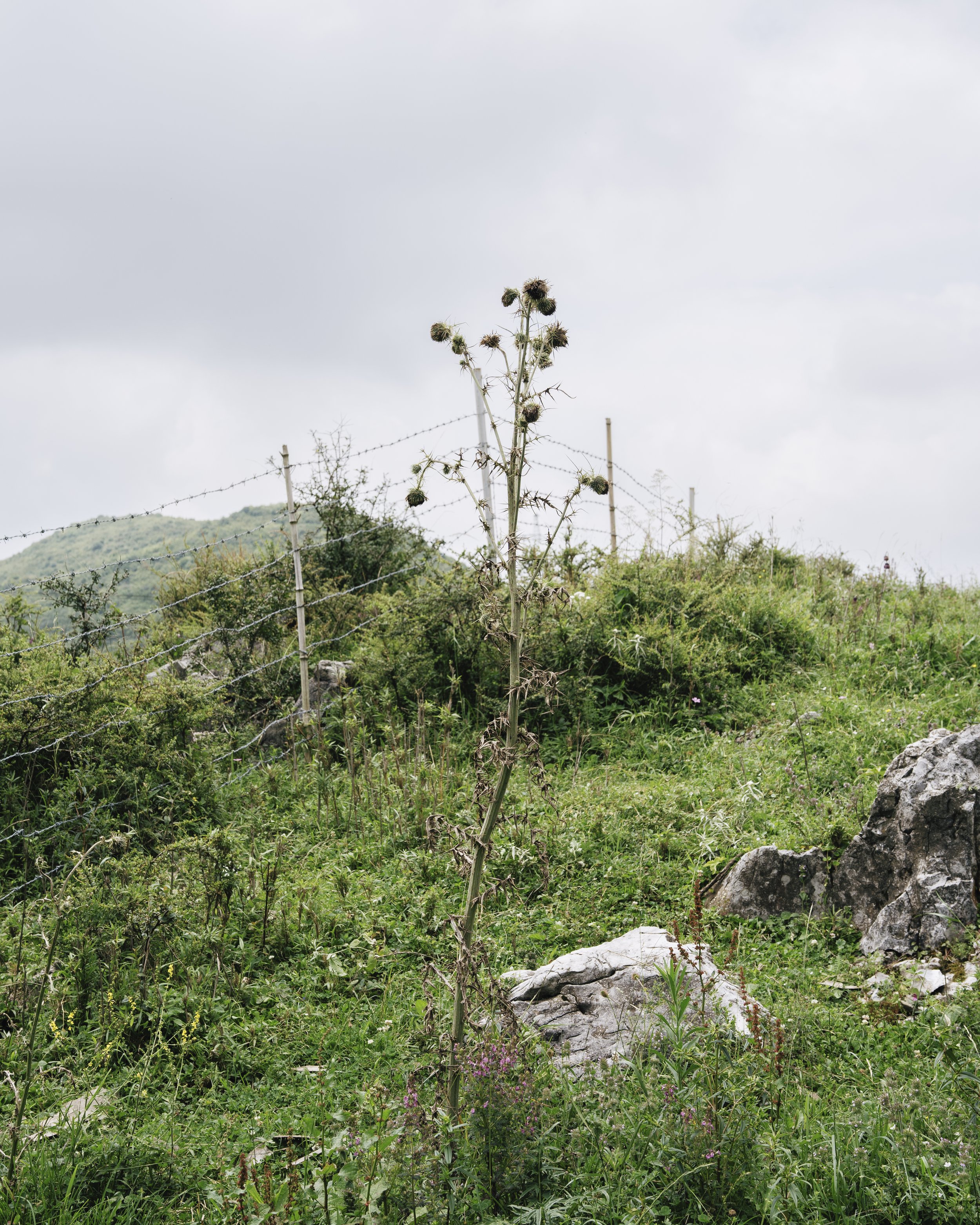
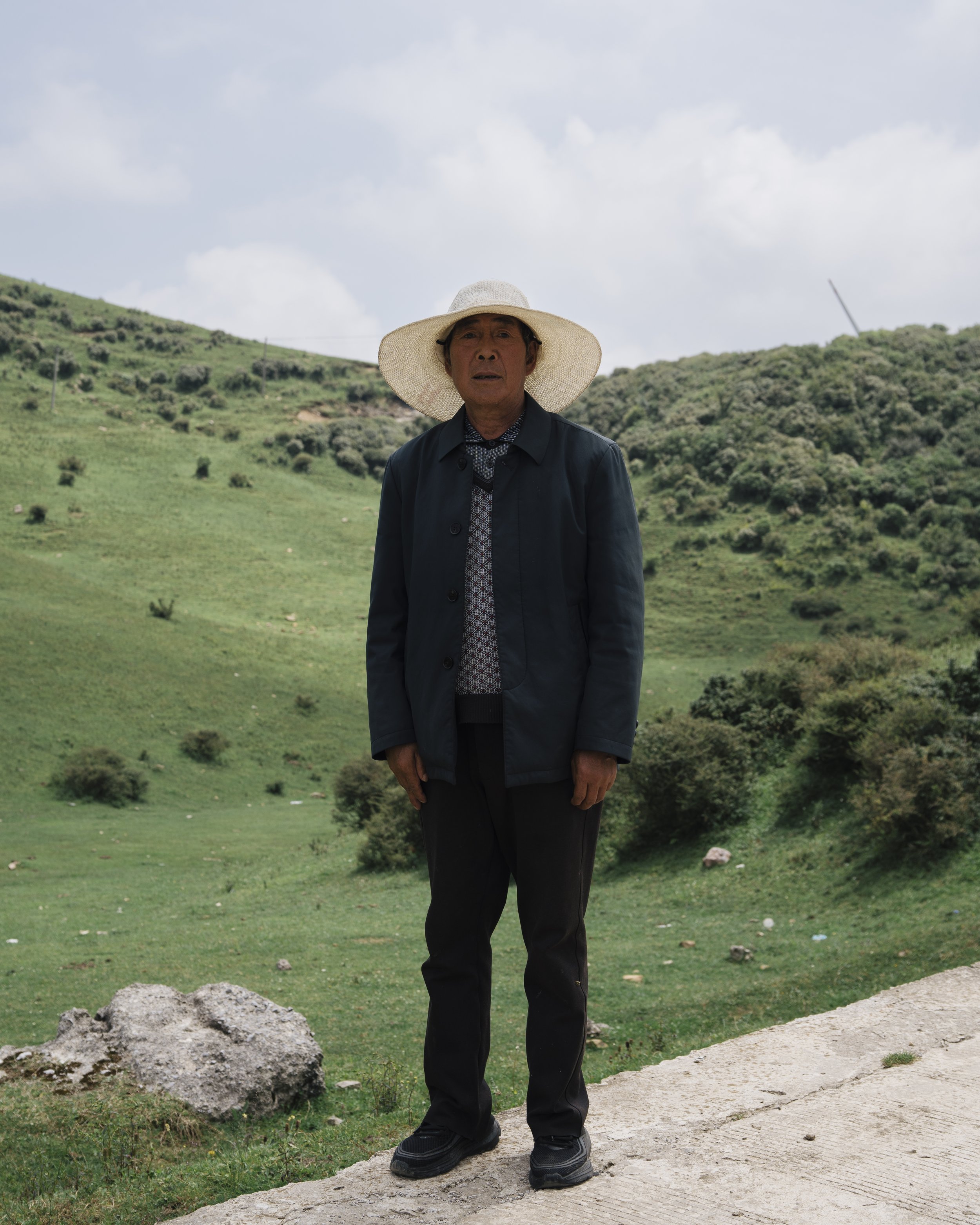
On the Baicaoping grassland, a herder named Wang who was tending livestock alongside many neighbors. After explaining my purpose, Wang guided me to locations known only to local herders. In this process, plants served as the “initial connection” between me and Wang during this journey, while folk songs reflected Wang's sense of identity as a herder. Family, however, represents the deepest bond between the Yi herders and the Baicaoping grassland itself.
*Note: The author communicates and narrates in non-standard Chengdu dialect throughout this process. This approach stems from local herders' greater familiarity with Yunnan-Guizhou-Sichuan dialects/Yi language (rather than Mandarin), while the author's Mandarin carries a strong Cantonese accent. Using this method minimizes the need for repeated explanations.
Section 2 <This Place>
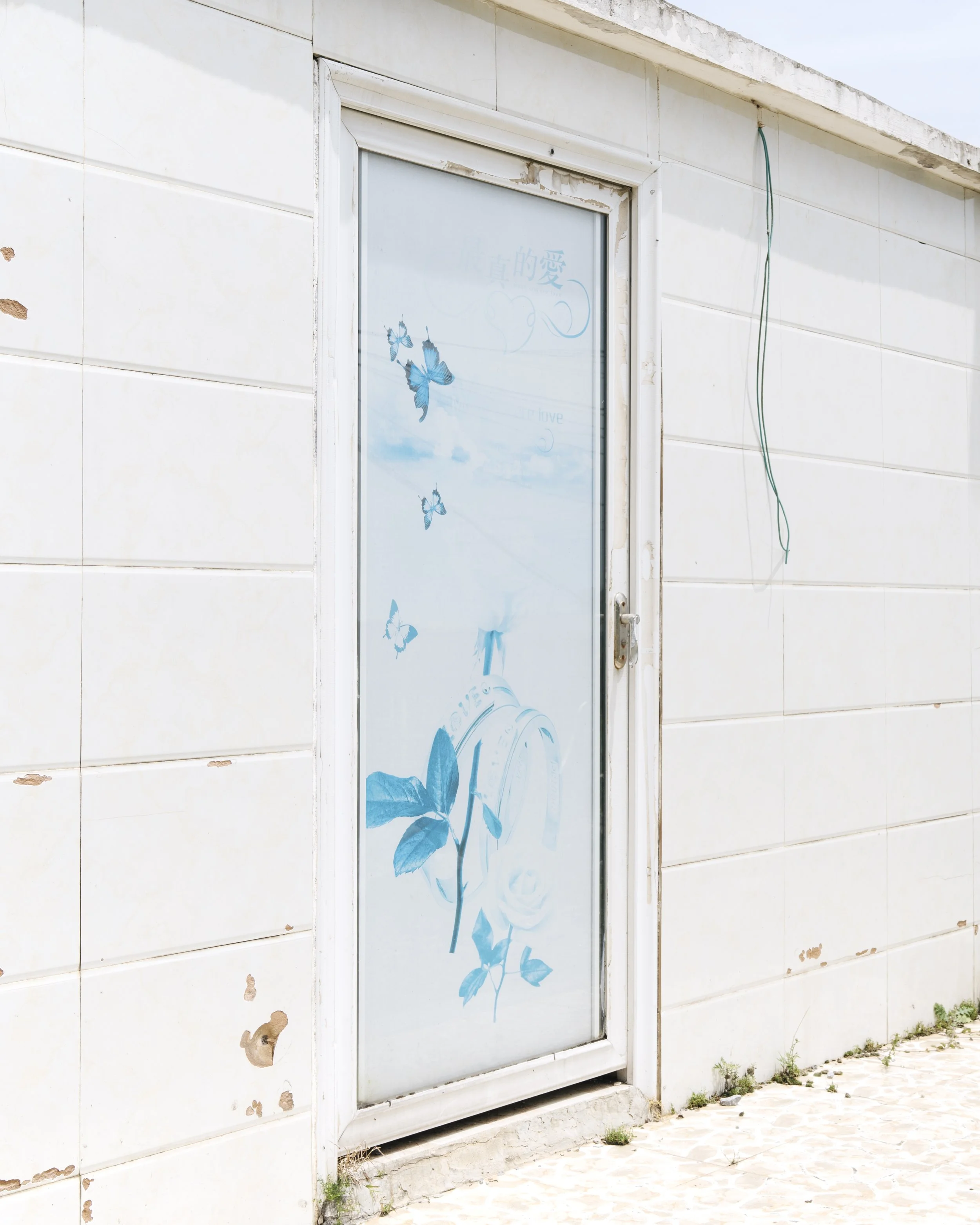
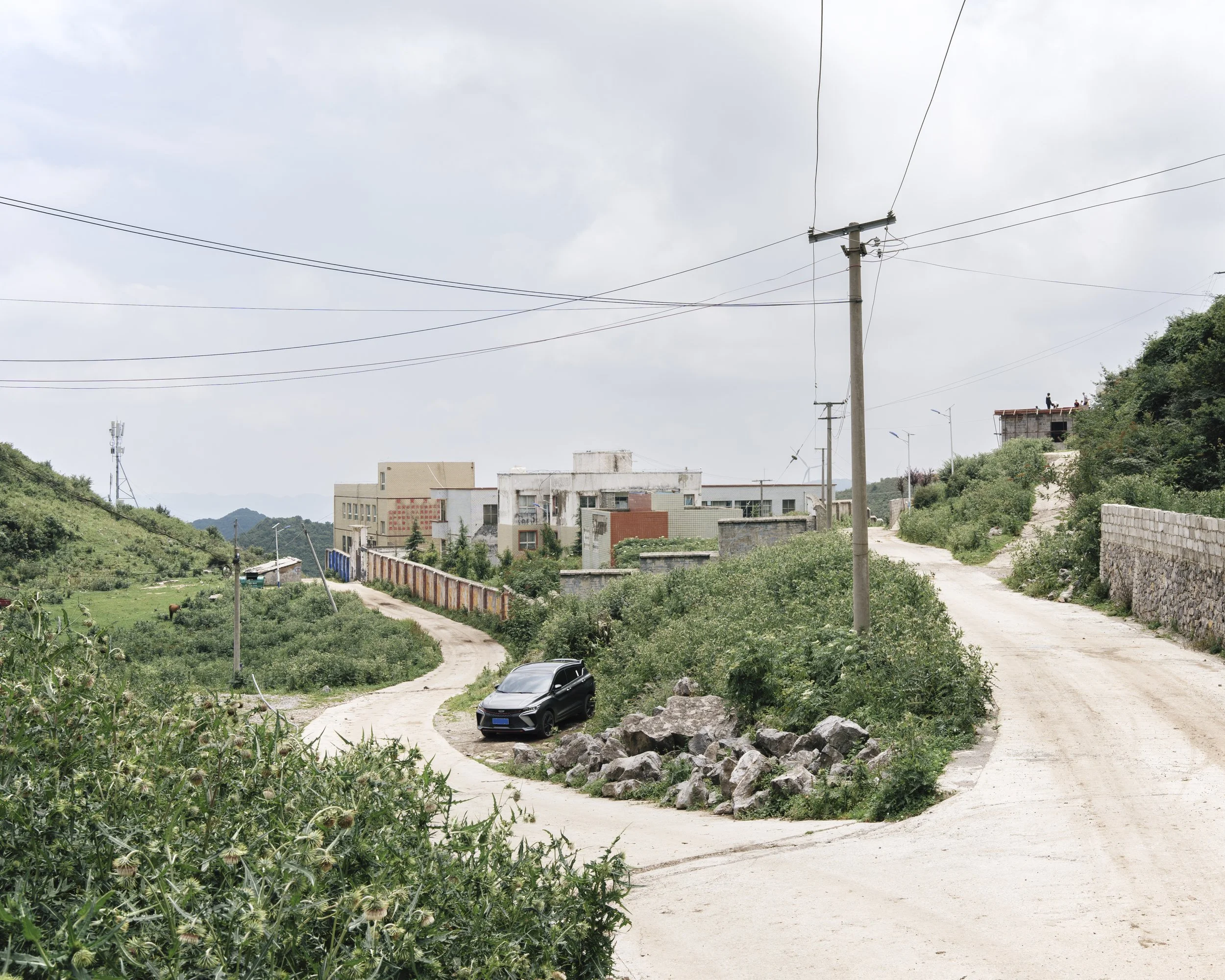
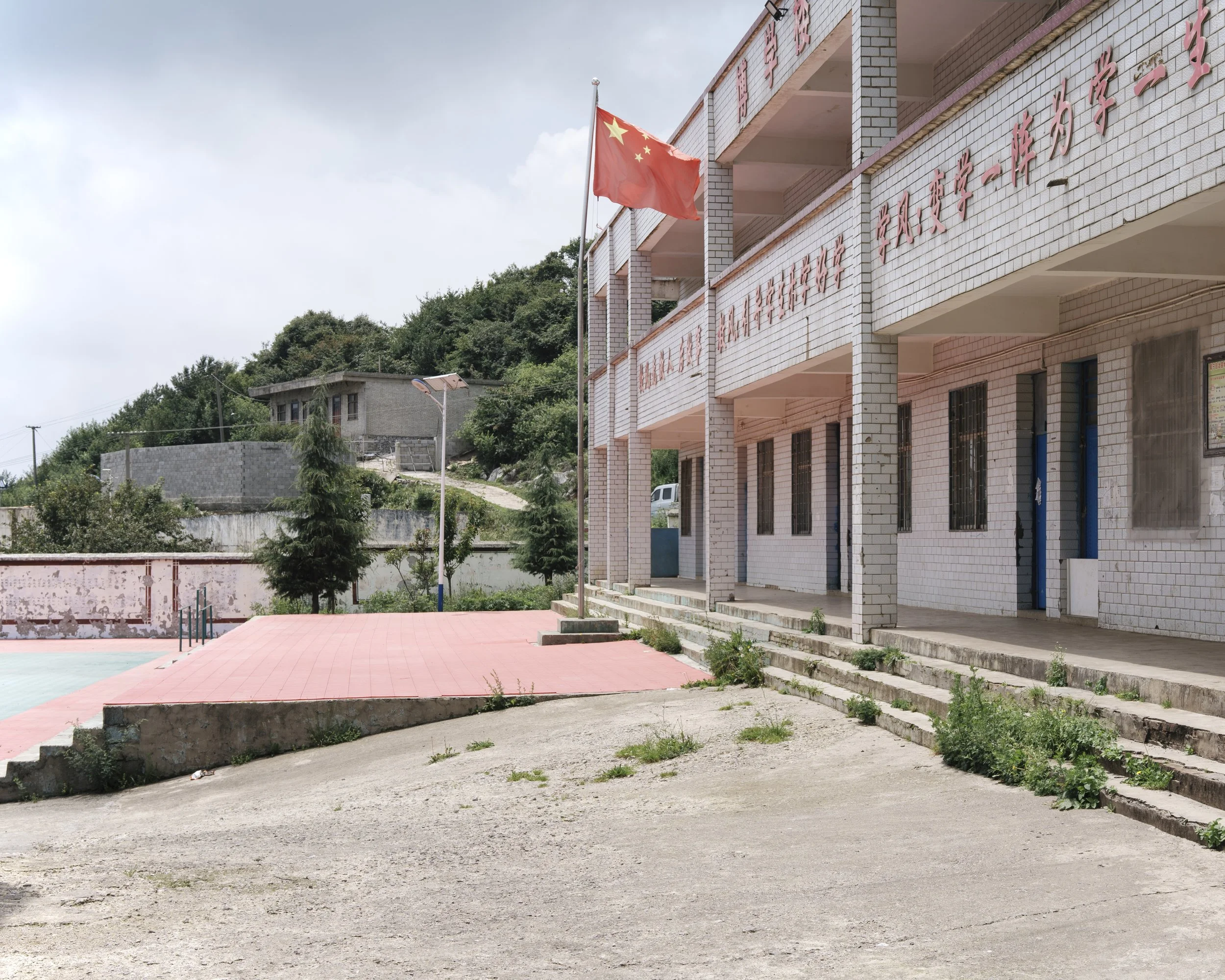
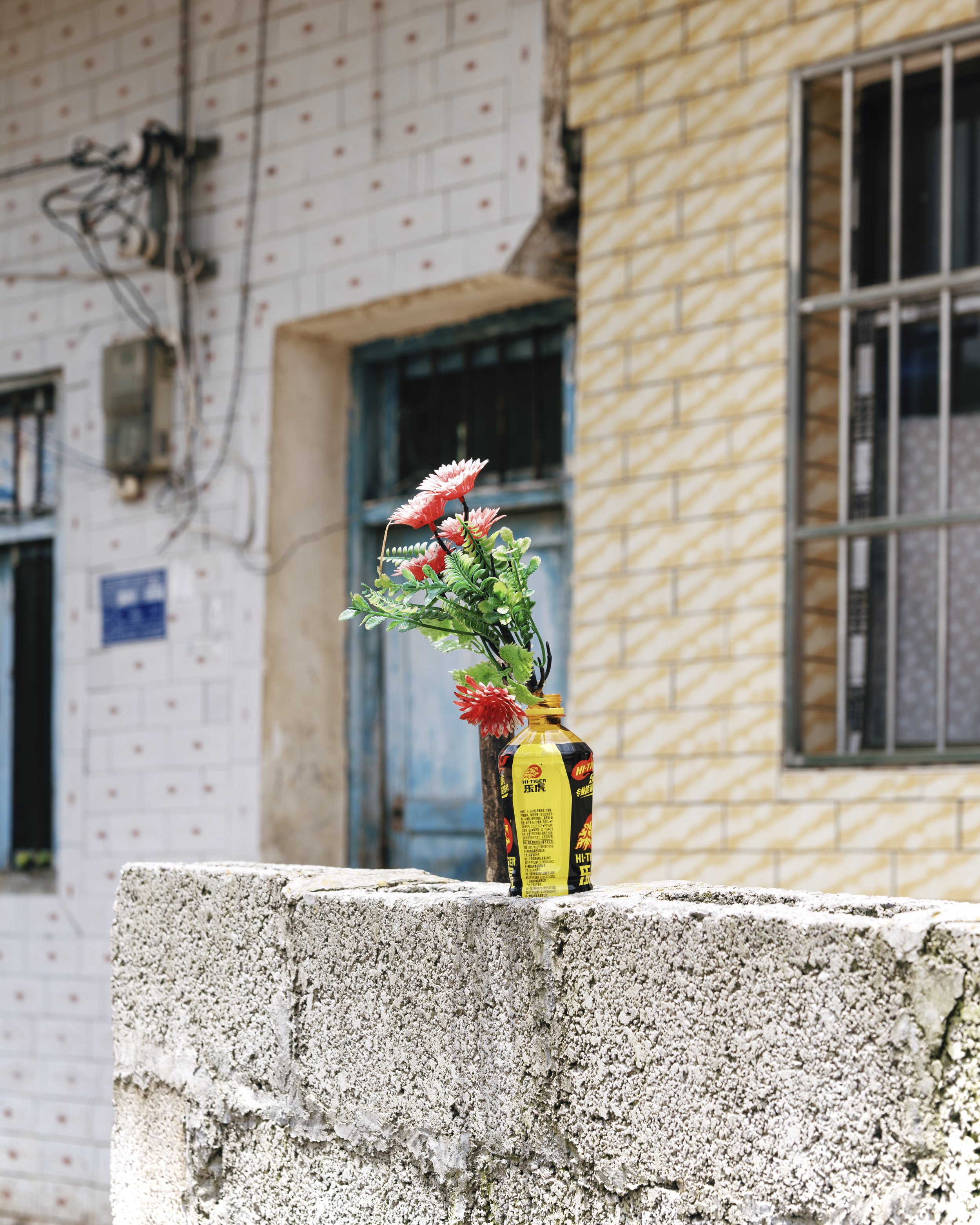
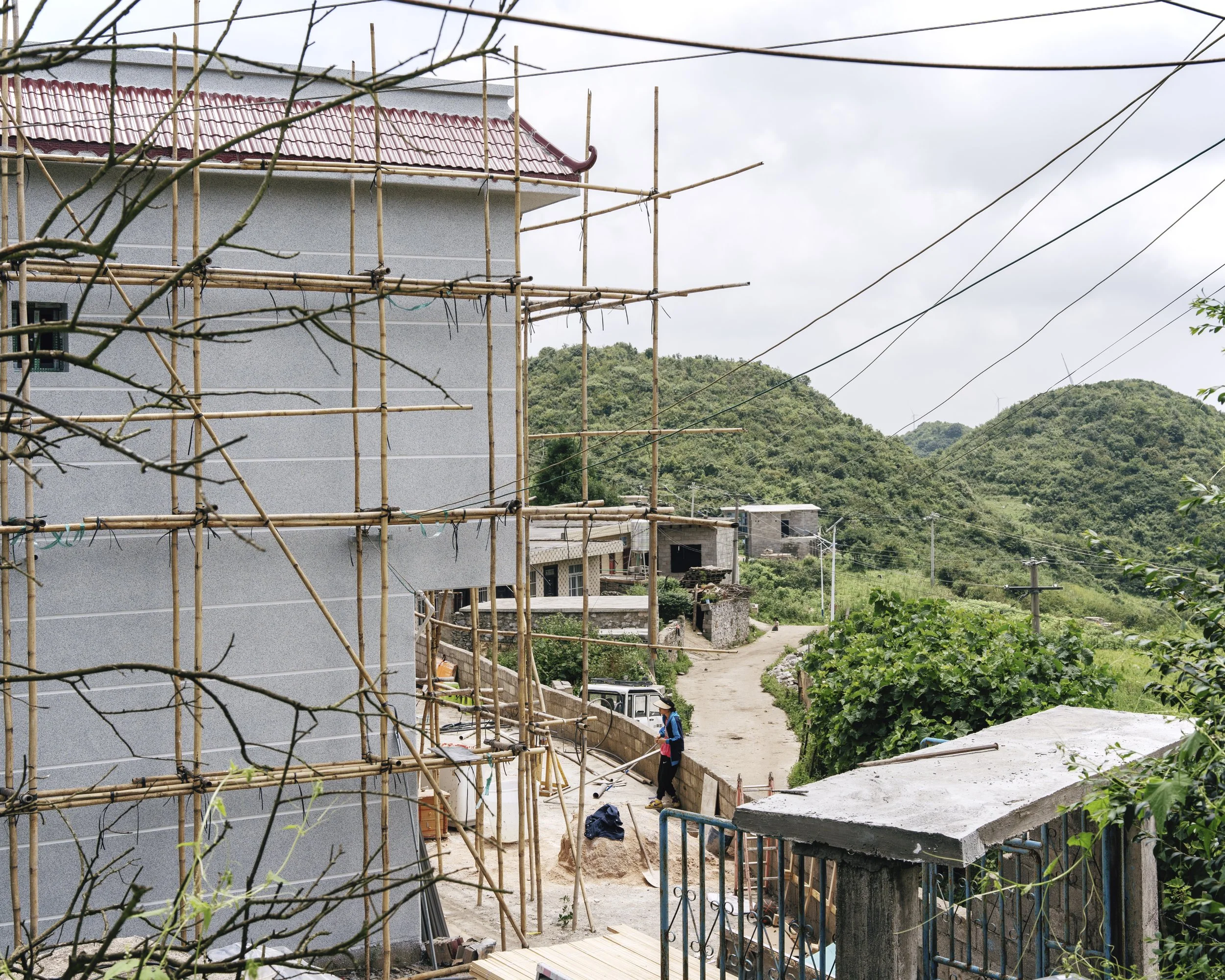
This place is the village where most of the herders of Baicaoping reside, home to just over eighty households. The scenery, plants, and natural landscapes here seemed both to welcome me and to bid me farewell .

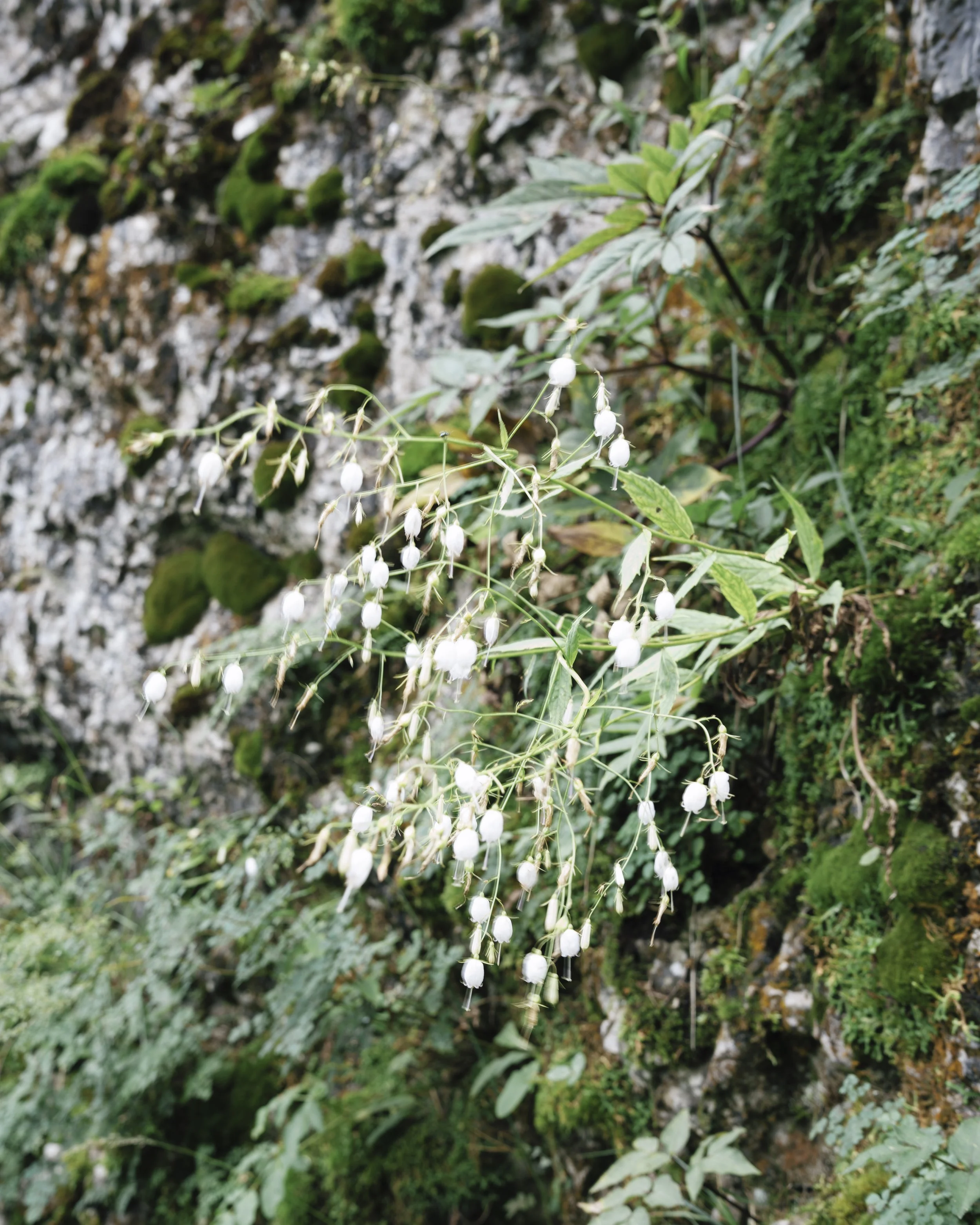
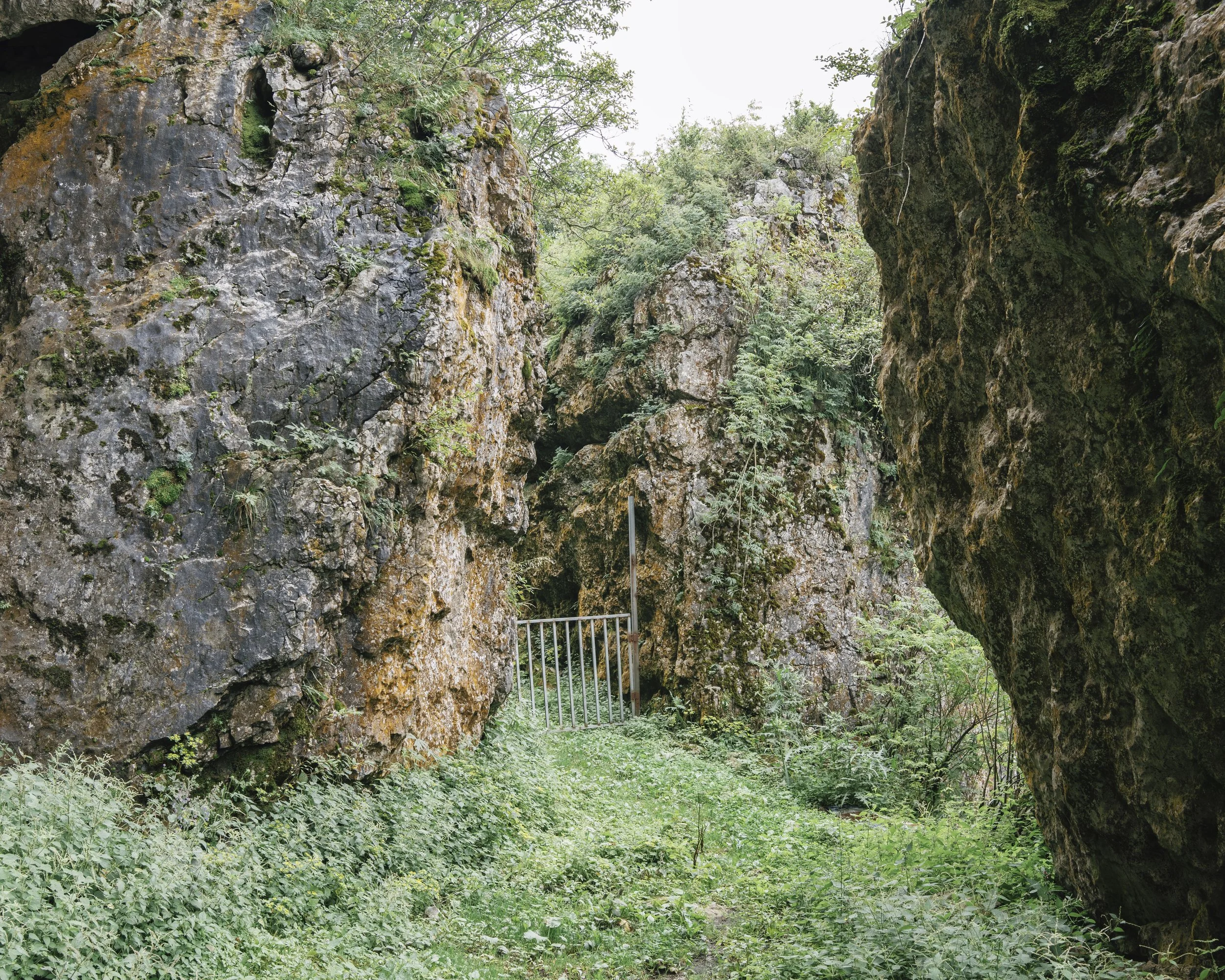
Section 3 <Back Home Between Terms>
The grassland has long become home to the local Yi people. Wang brings his youngest son to help tend horses on the grassland, yet his son yearns to return to their dwelling place. The very medium meant to bridge two generations—the grassland—now bears visible traces of fracture.
The Yi people believe all things possess souls. Local stones are revered as “witnesses of heaven and earth,” capable of communicating with nature spirits. People offer prayers before these stones. Thus, I inscribed the Yi word ꄰꅍ (translation: return home) across the stones using the Yi script .
Section 4 <Trace>
Over 200 million years ago during the Triassic period, most of Guizhou was covered by oceans. Through tectonic movements, these areas gradually rose to form land, creating the Guizhou Plateau we see today.
Building upon the imagery of stones from the previous section, the author observed that fossil traces several millimeters deep form on the rocks at Baicaoping. During a brief residency, the author contemplated what traces they could leave behind in this place. Thus, they pressed their face tightly against the stone, striving to imprint the surface's marks onto their cheek. After a few minutes, the traces vanished.
Section 5 <Leaving the grasslands>
This section draws inspiration from religious mythology. In the Yi people's Guiding Scripture, plants serve as vital landmarks and shelters for souls journeying back to ancestral lands.
The theme of the artist residency—nomadism—refers to outsiders journeying to the grasslands in search of something. For Yi herders, however, grazing involves moving from one dwelling (home) to another (the grasslands). On these grasslands, both outsiders and natives engage in nomadic practices.
I gathered plants introduced by Wang and newly discovered leaves encountered by chance. On the Hundred Grass Meadow, I suspended them in the air, following the wind as it carried away their traces.