Twelve Letters
The work originates from twelve letters written by the author's mother between 2010 and 2021. Starting from four hopes for family change mentioned in these letters, the entire piece initiates a “dialogue” with these hopes through images, video, and graphic transfer techniques. These “dialogues” reflect the struggles faced by heads of Chinese households in the educational process., as well as the identity inequalities stemming from their neglect of children's emotions and excessive control over their lives.
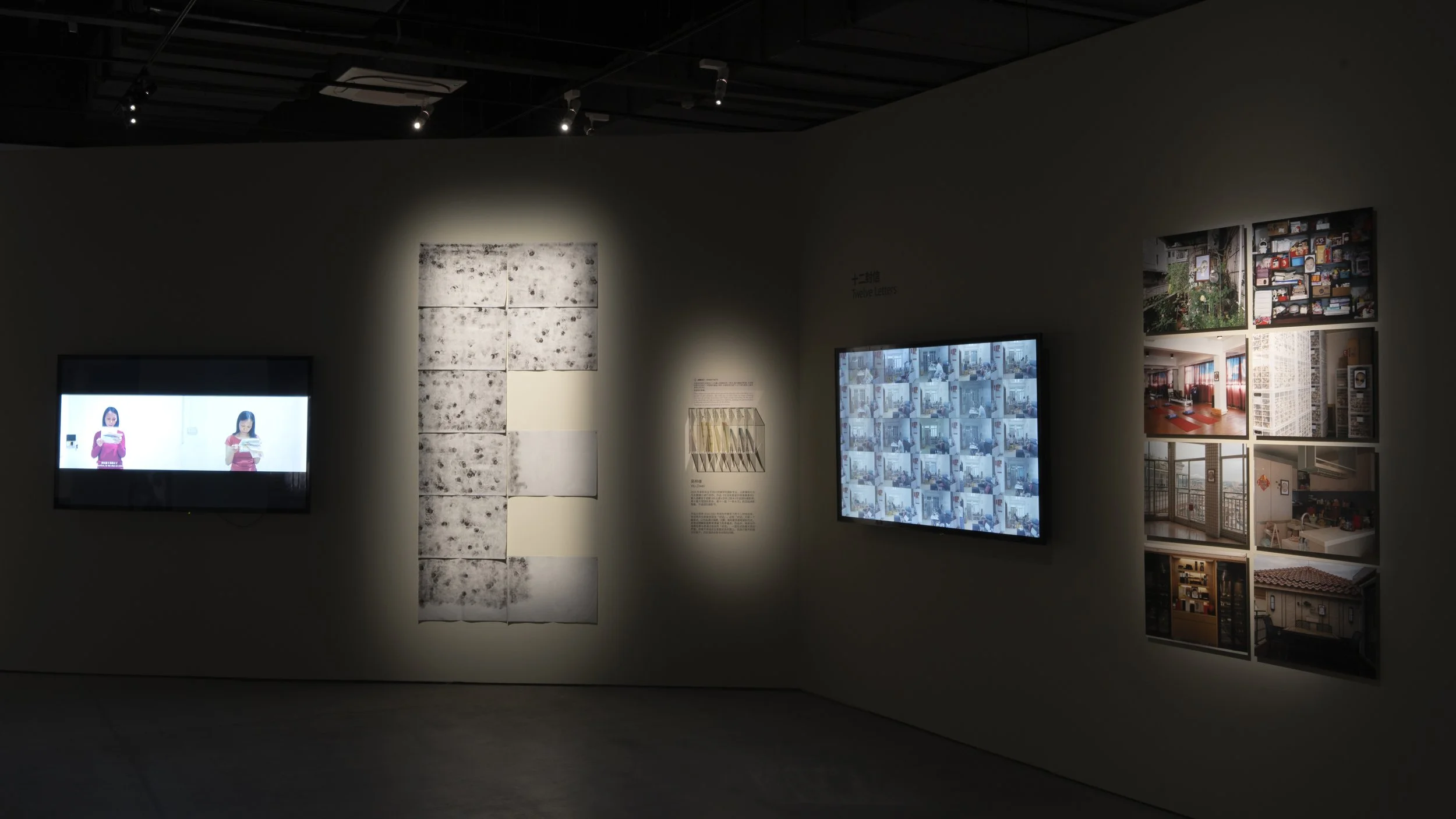
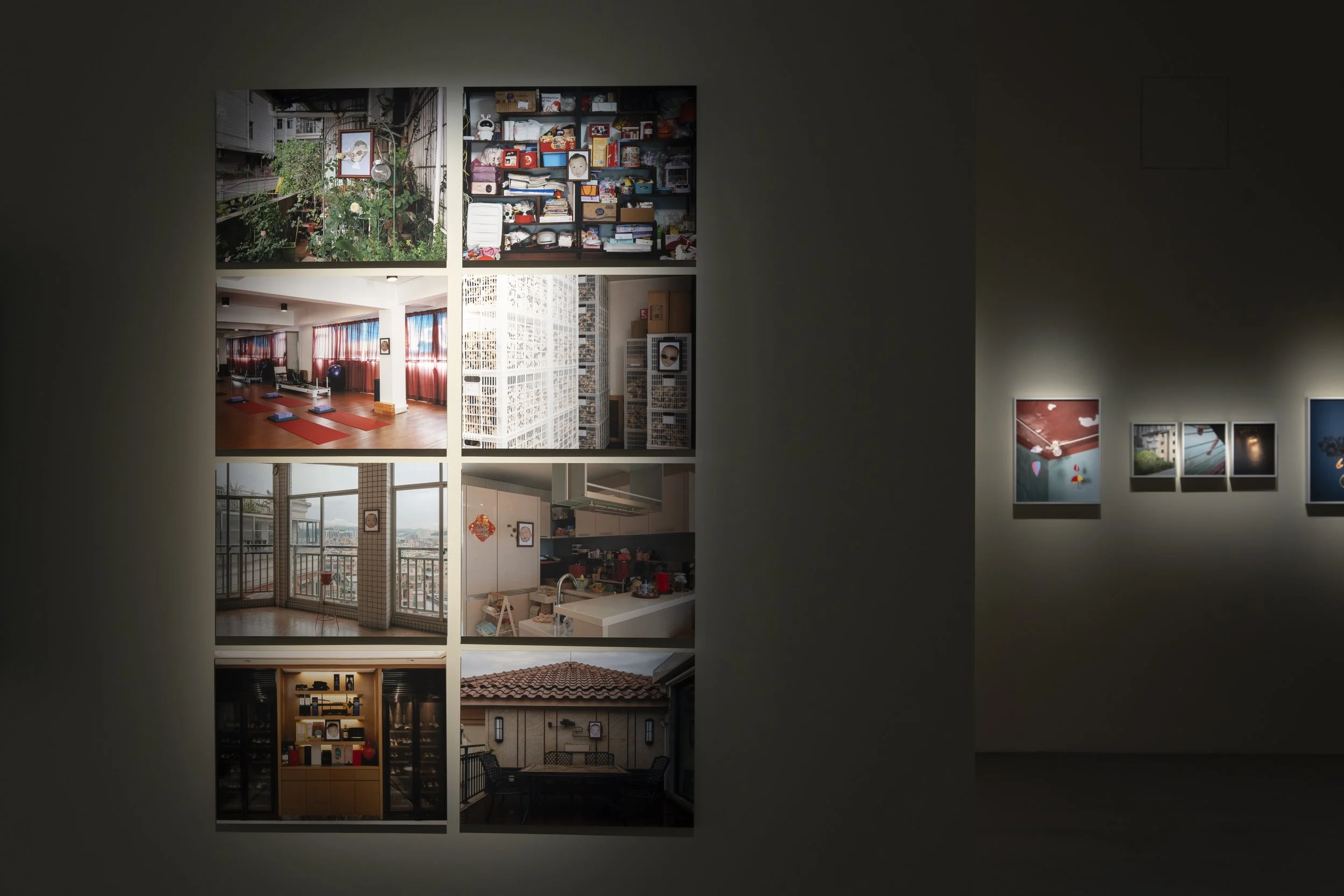
Section 1 <I hope you can smile at home>
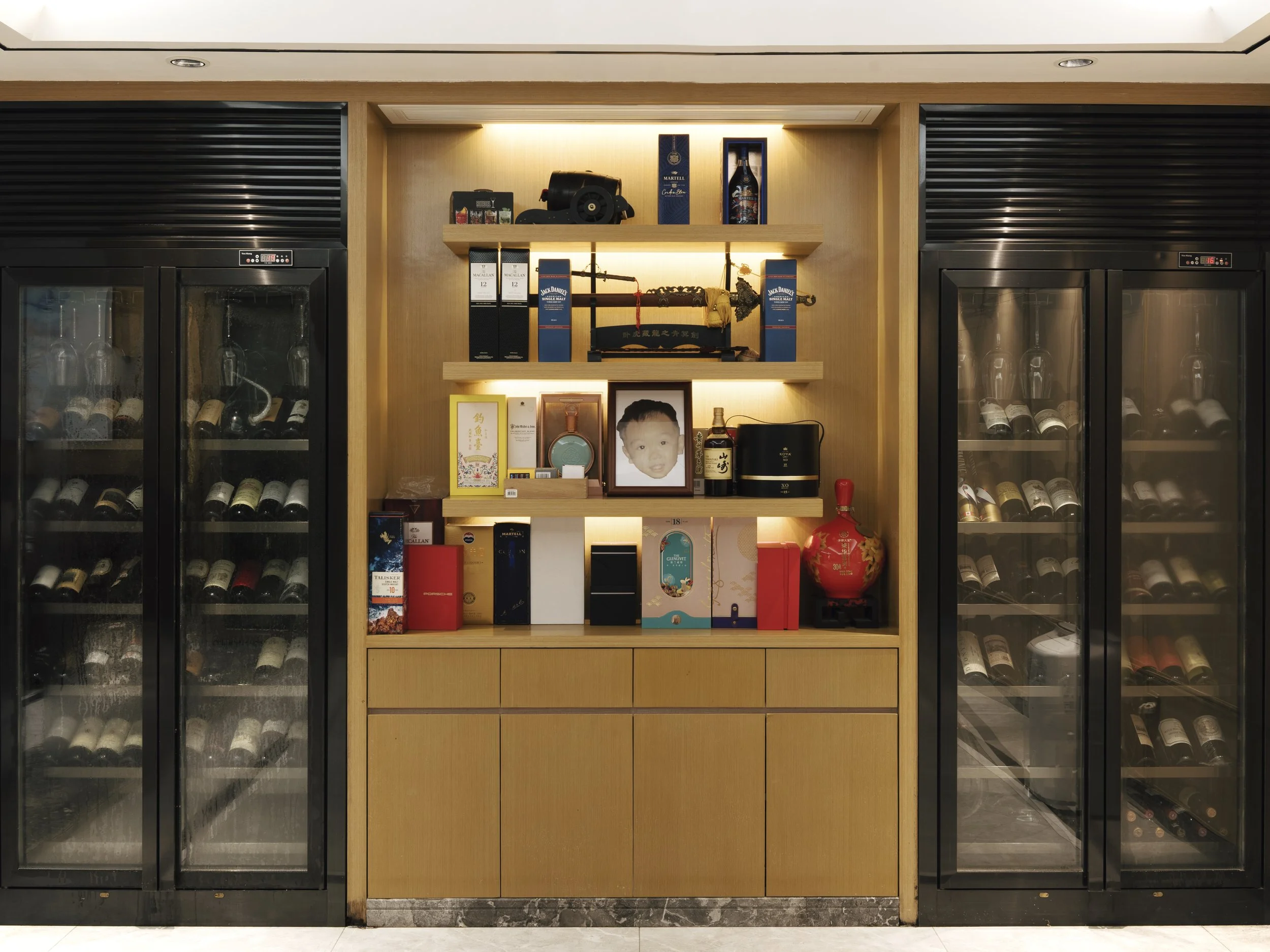
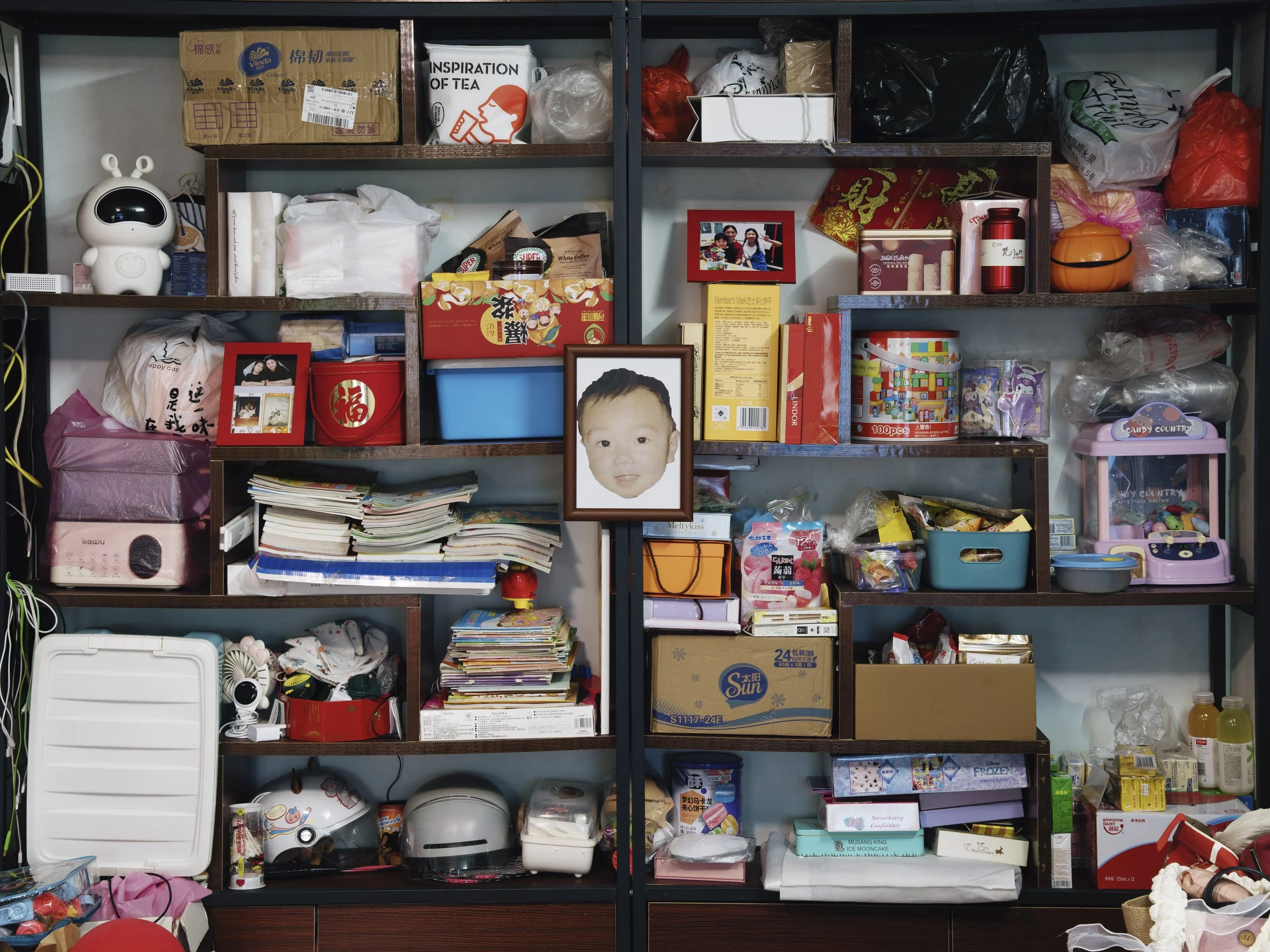
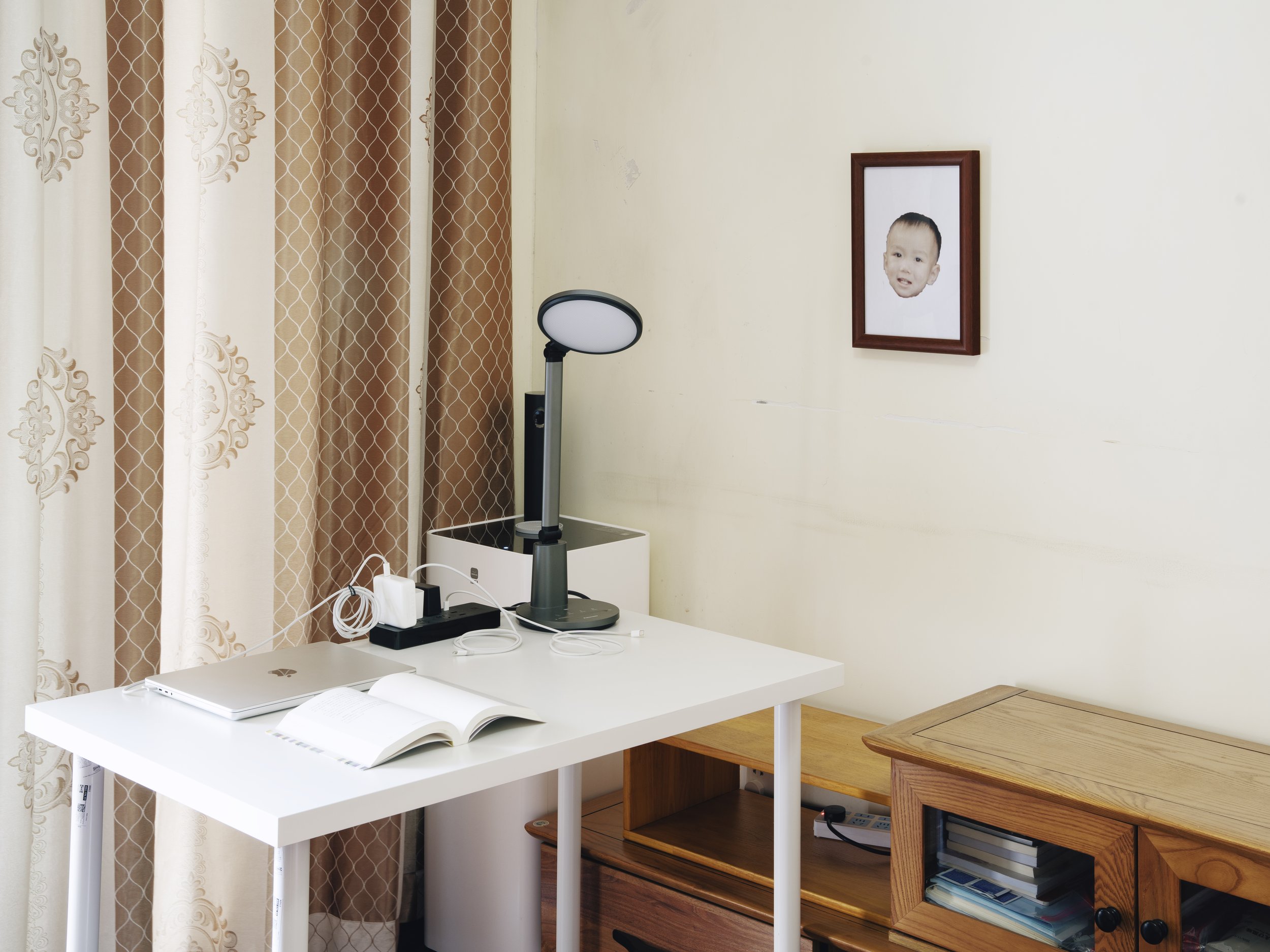
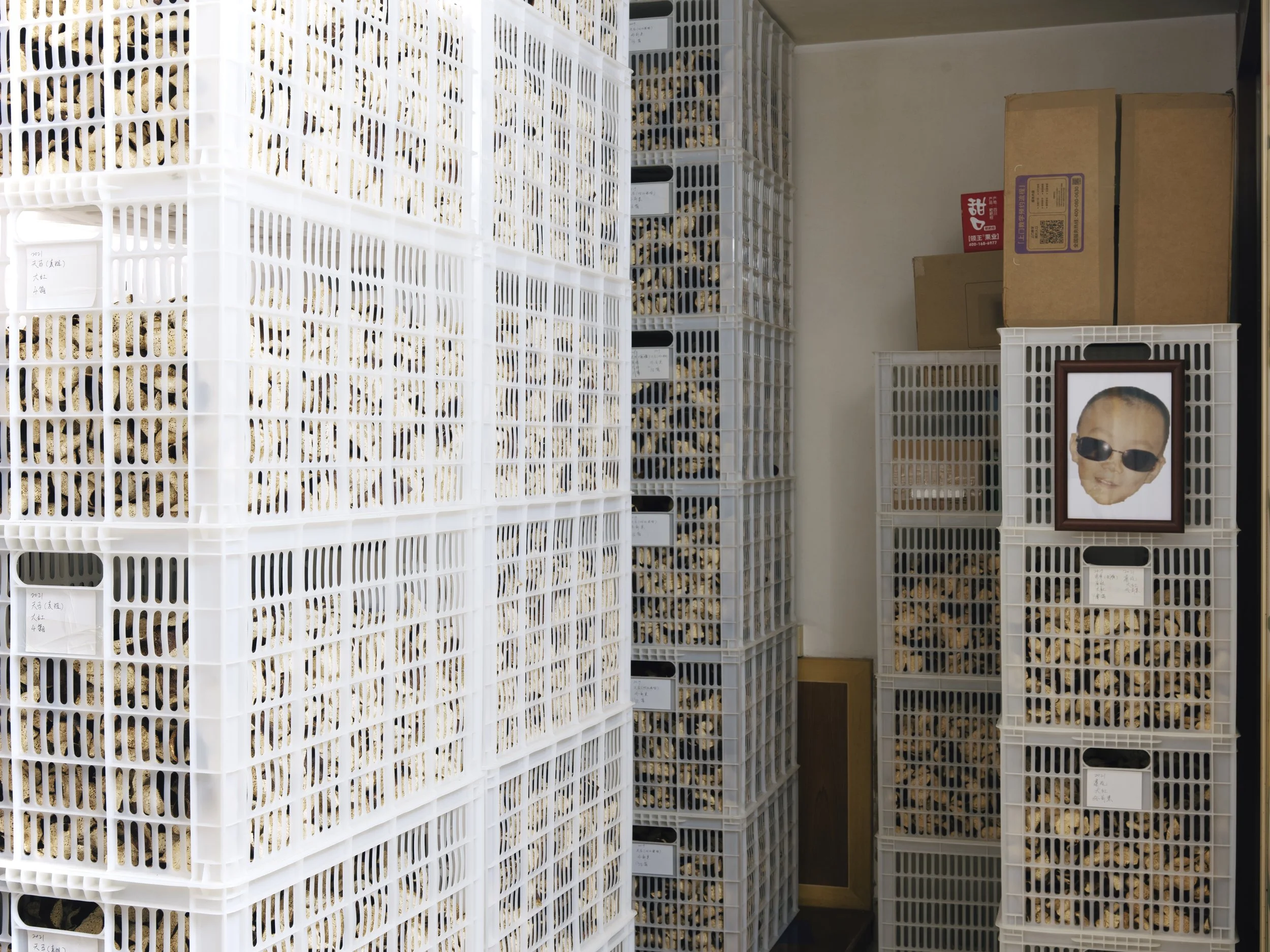
Mom often questioned me about why I could smile at her friends but not at her. I took childhood photos of myself smiling, taken by my mother, to her friends' homes and took photos in different households.
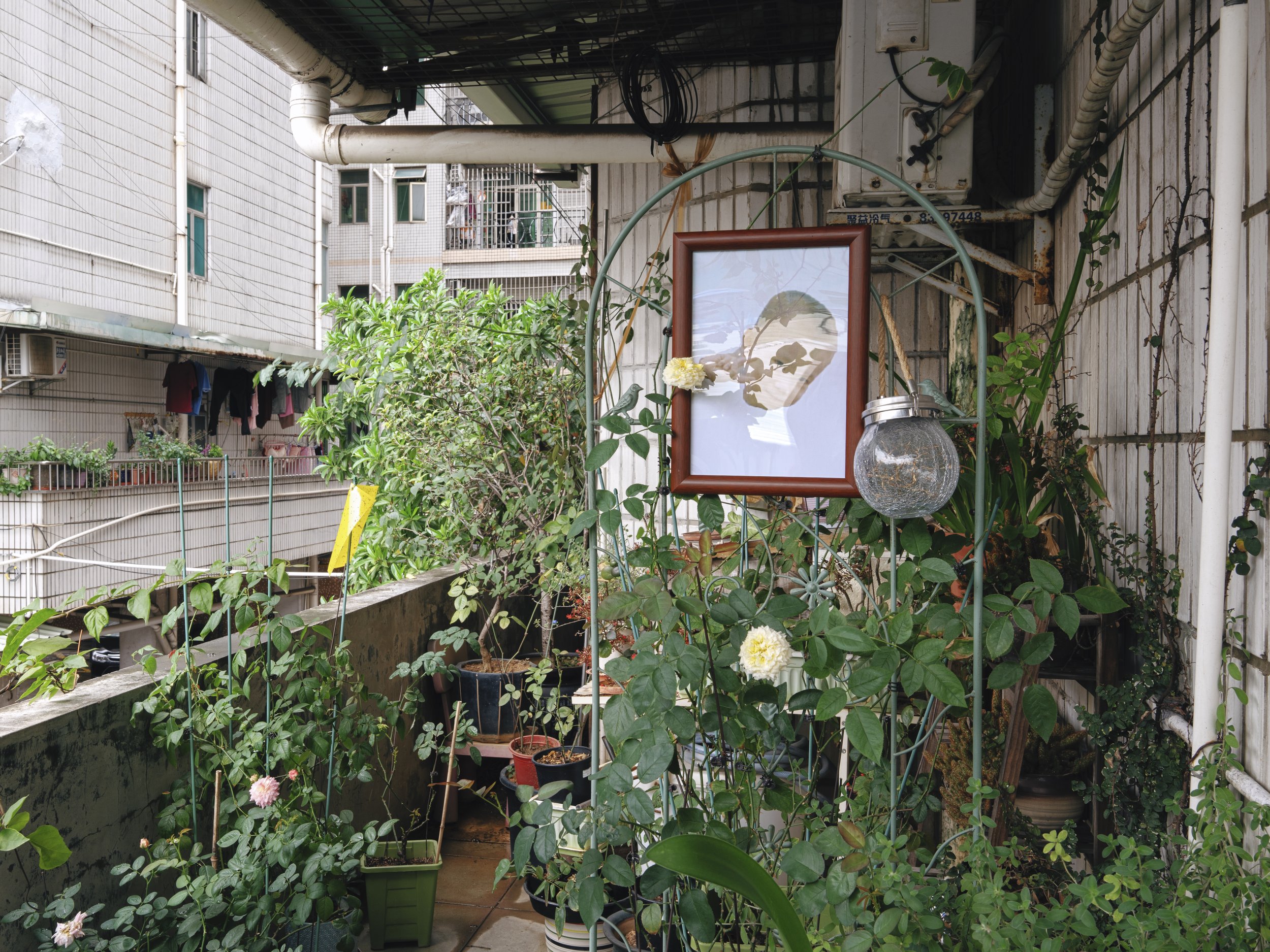
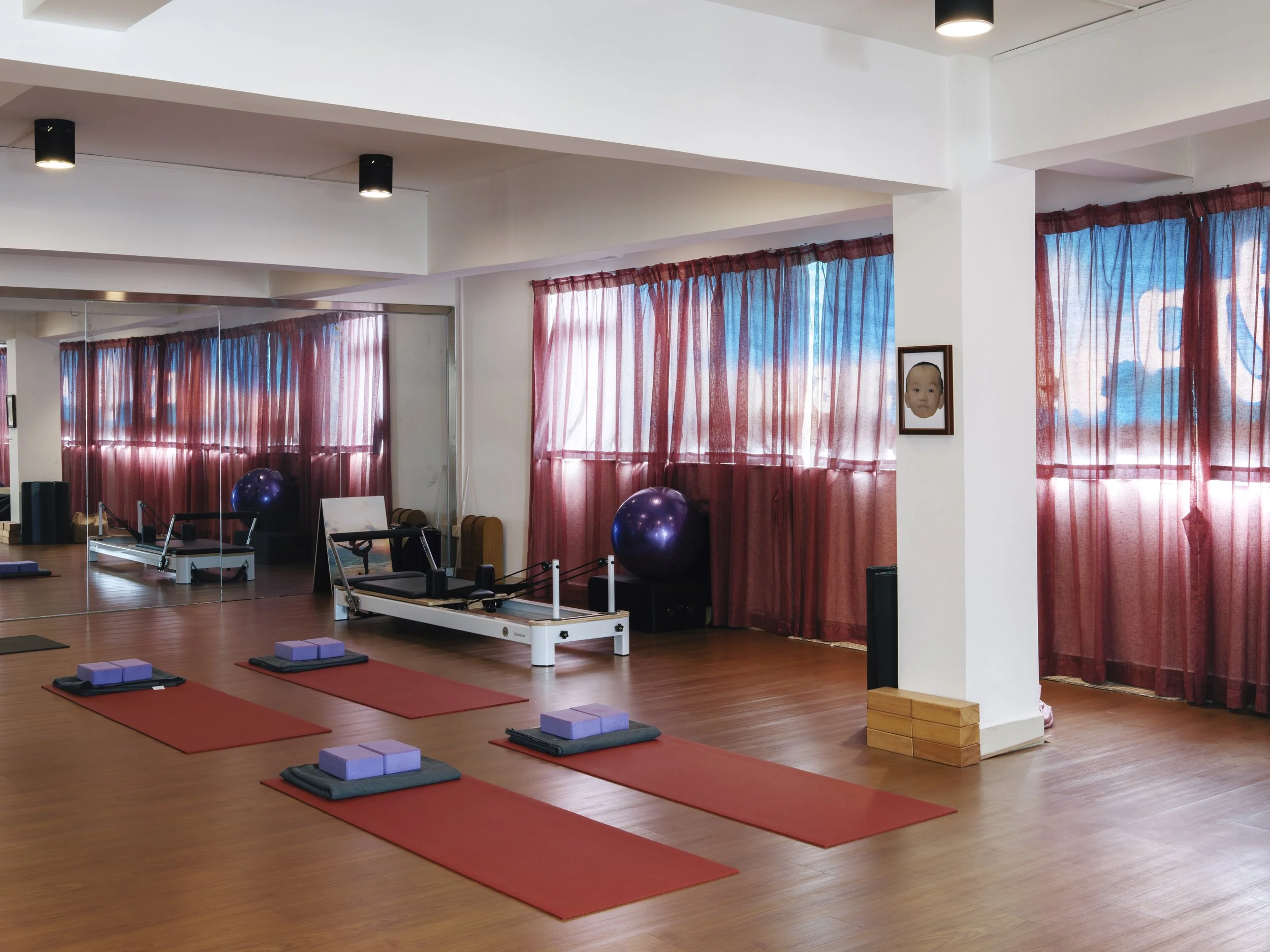
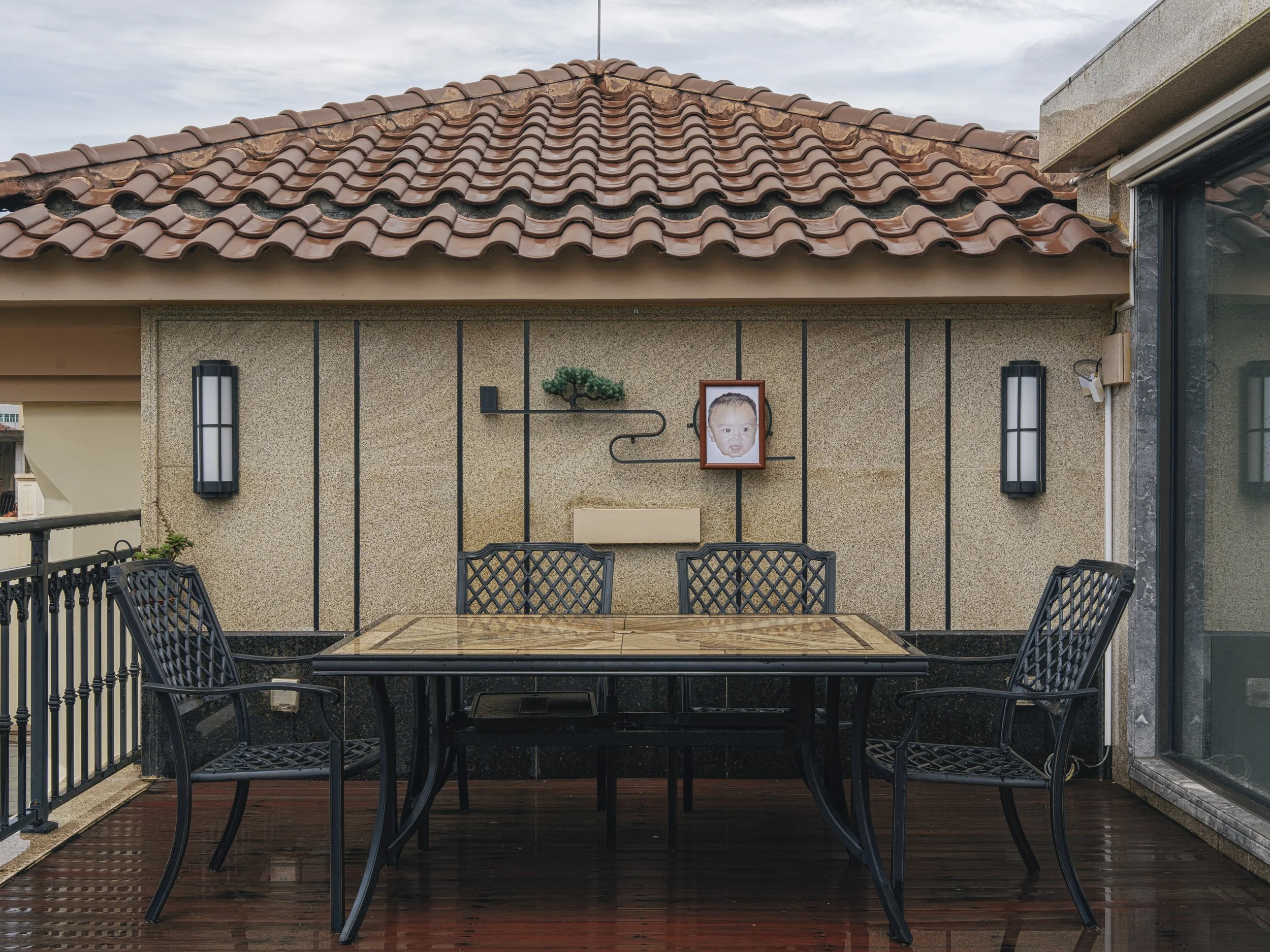
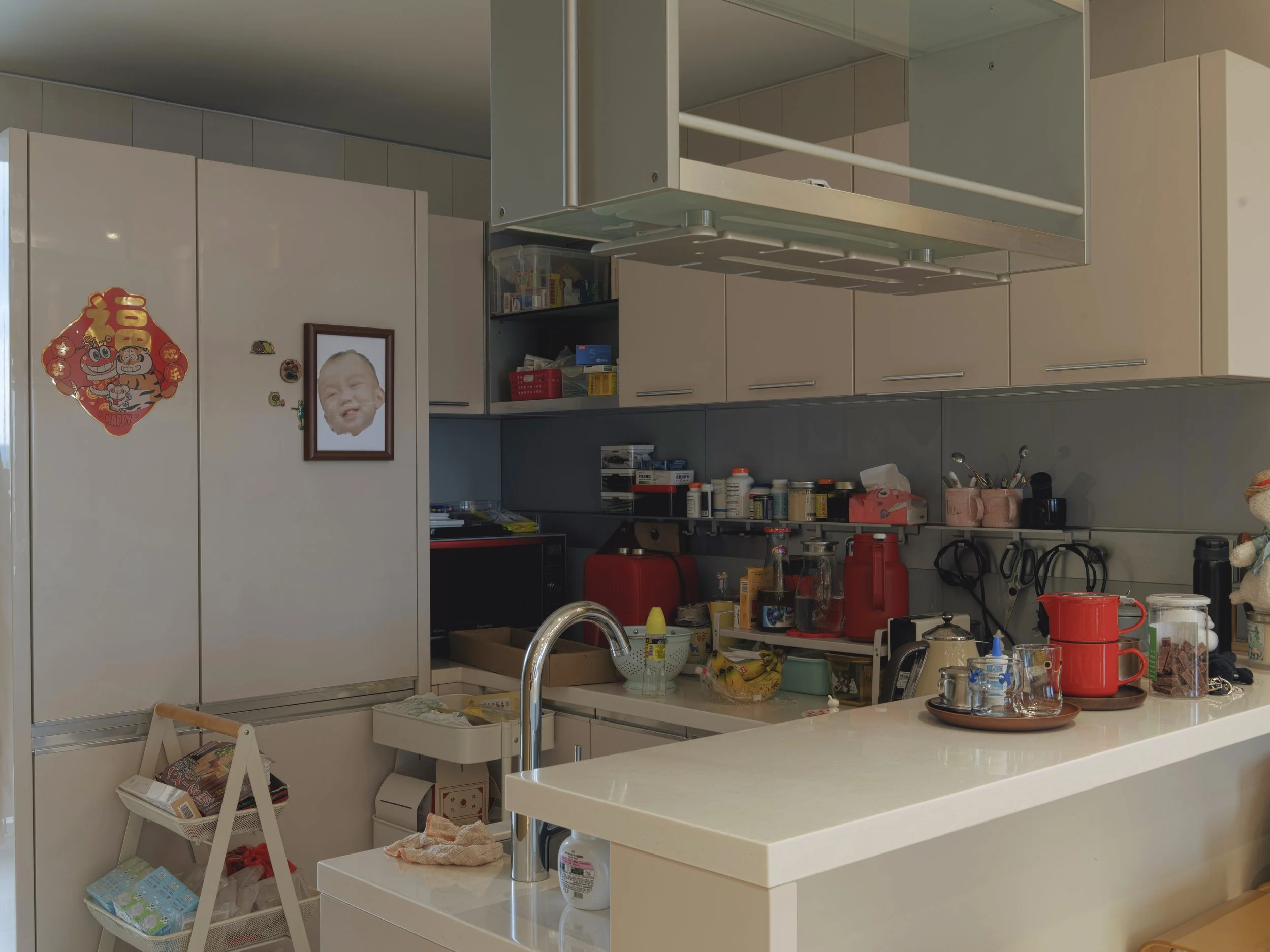
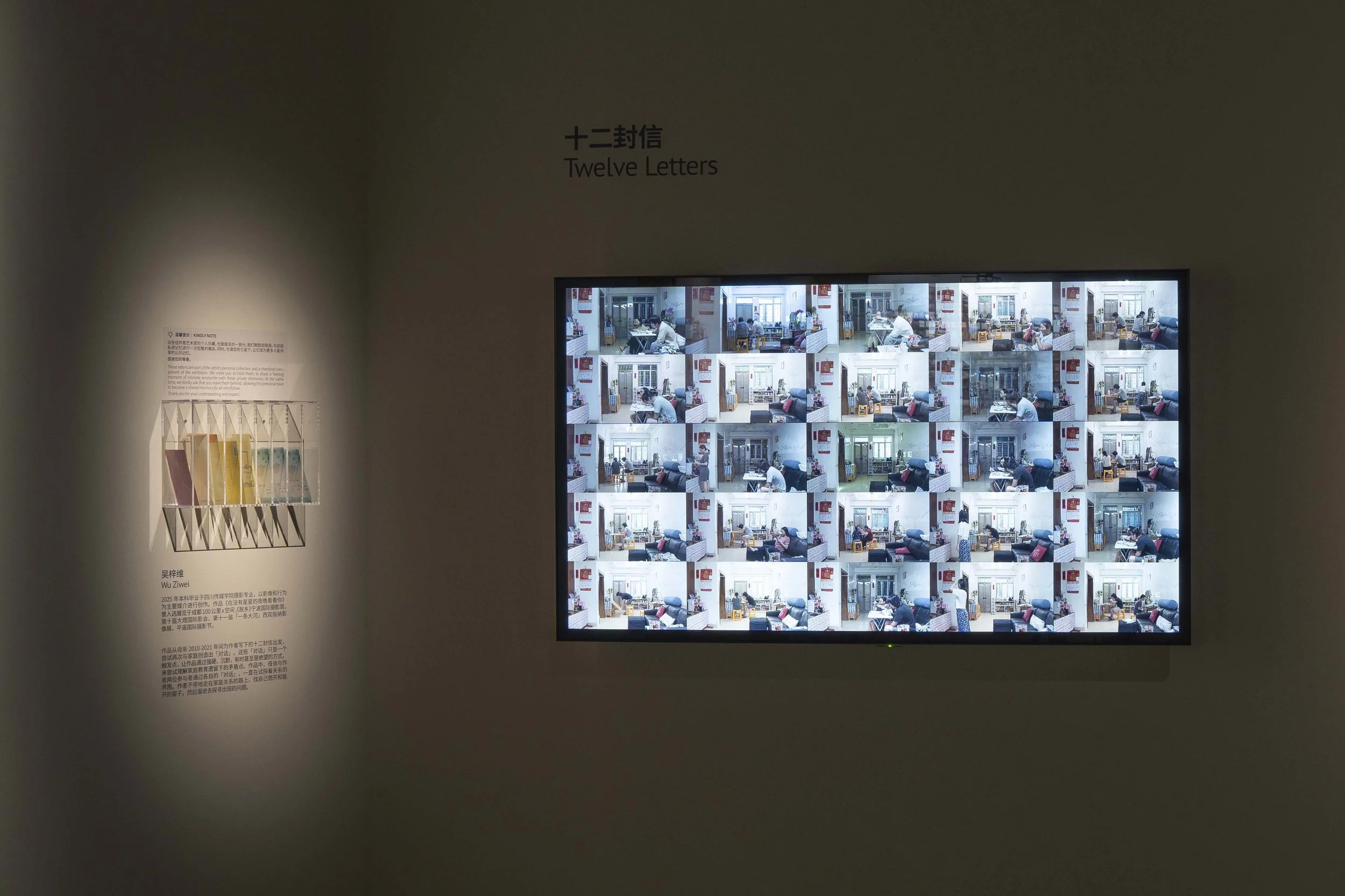
Section 2 <I hope we can get along well>
This section documents multiple instances at the dining table—the only place my mother and I spent time together at home, after repeated silences, we finally couldn't bear it anymore and erupted into arguments. The video sounds are the sobs, scoldings, and angry shouts born from these disputes.
Section 3 <I hope you don't keep everything to yourself>
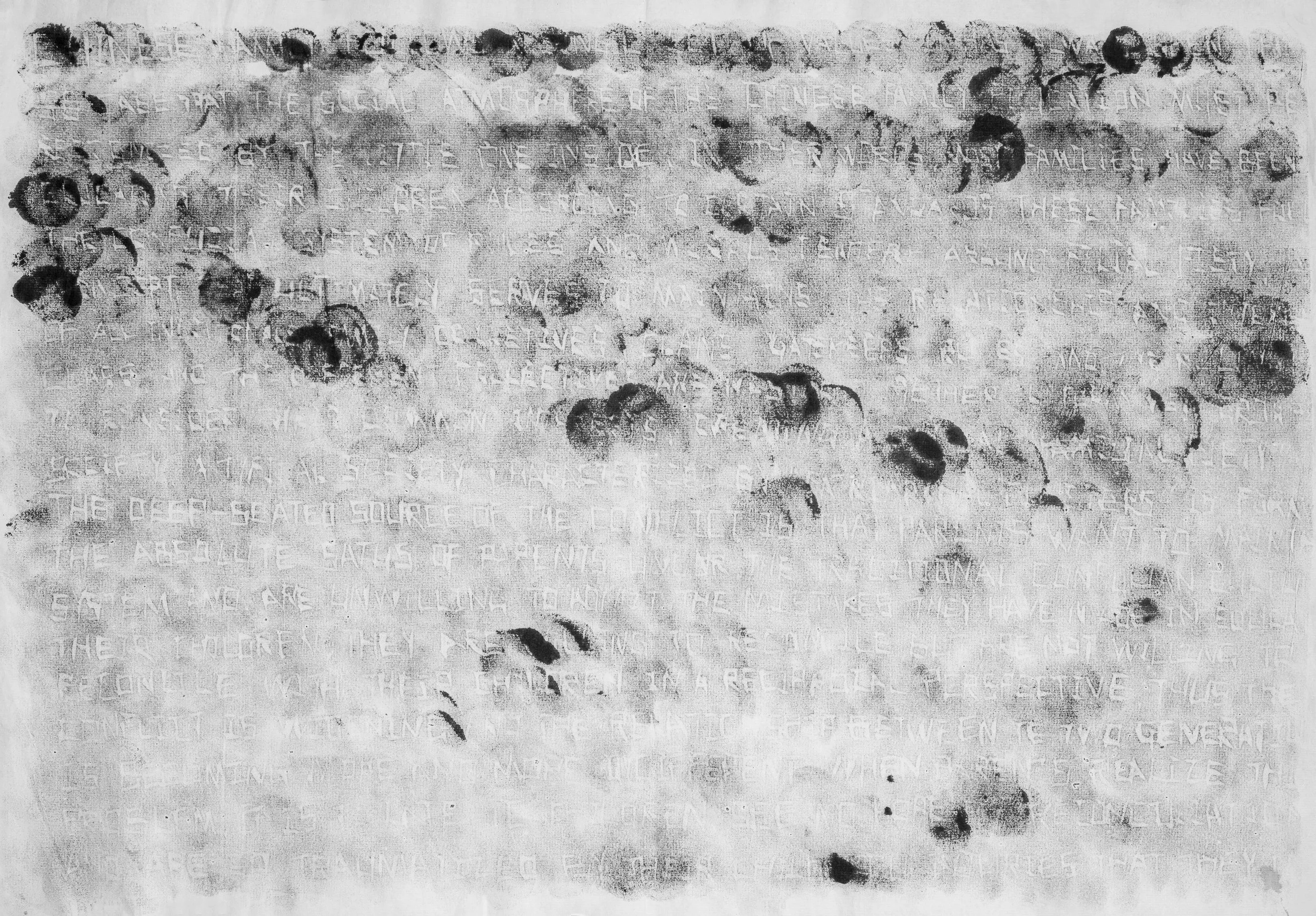
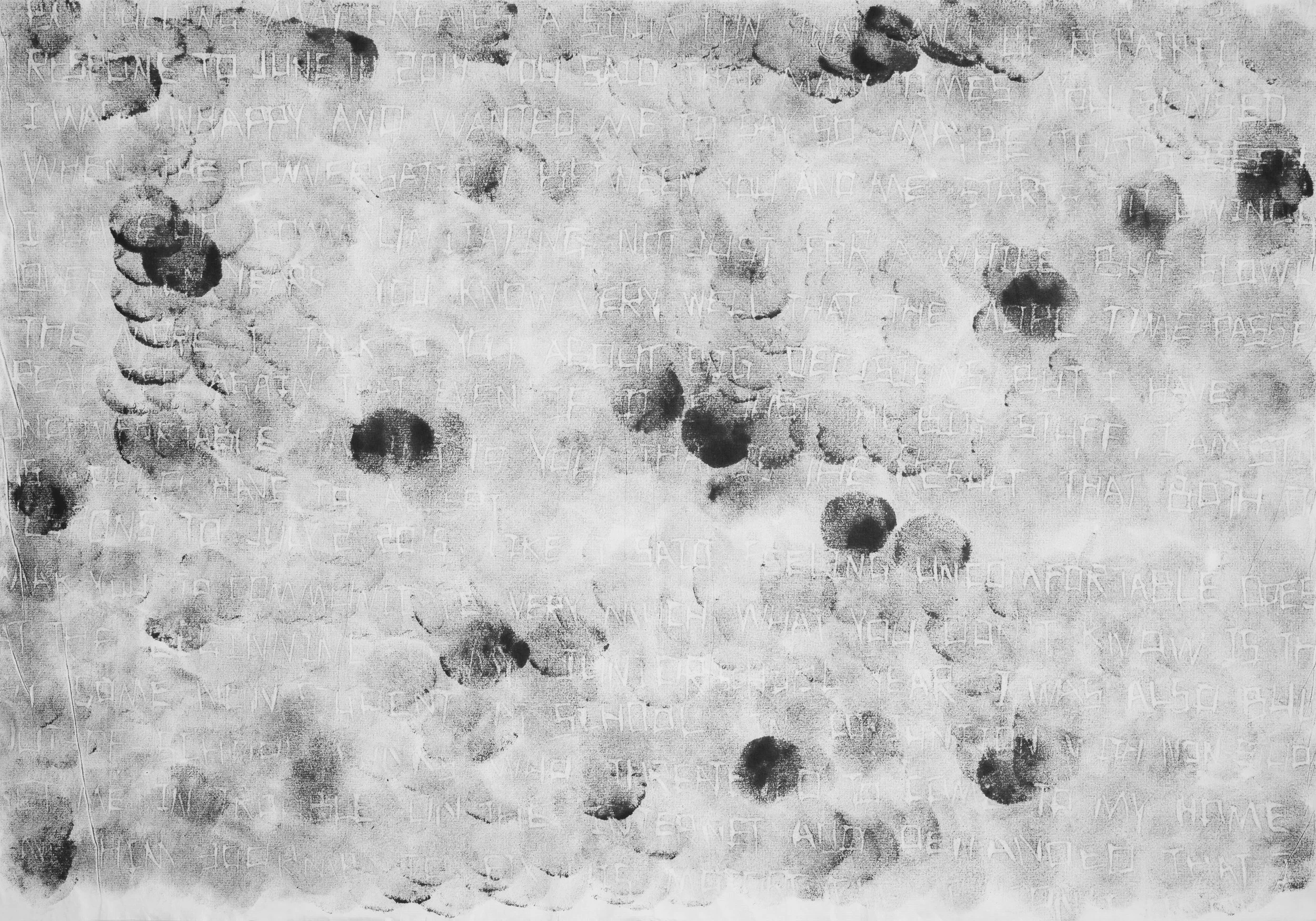
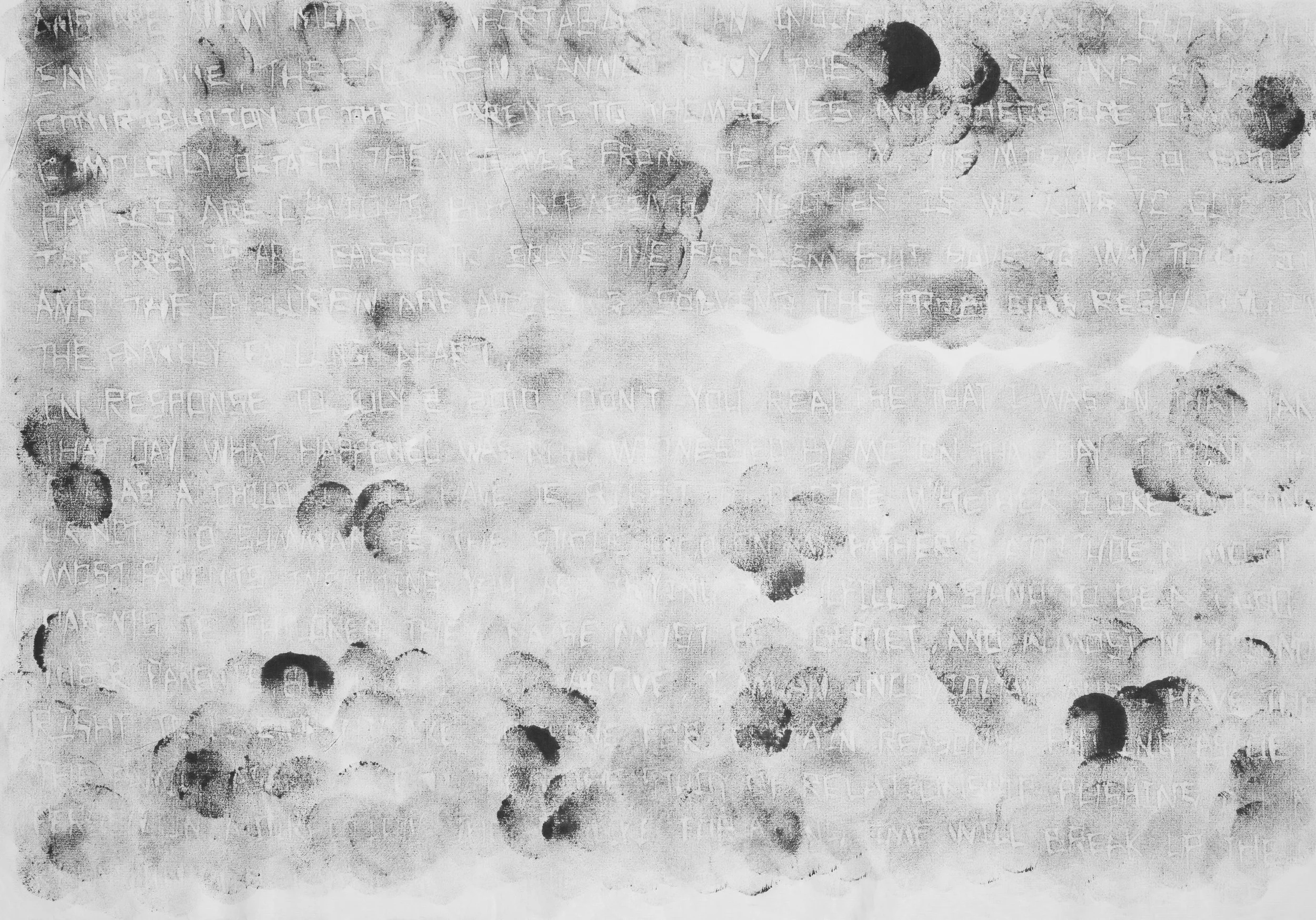
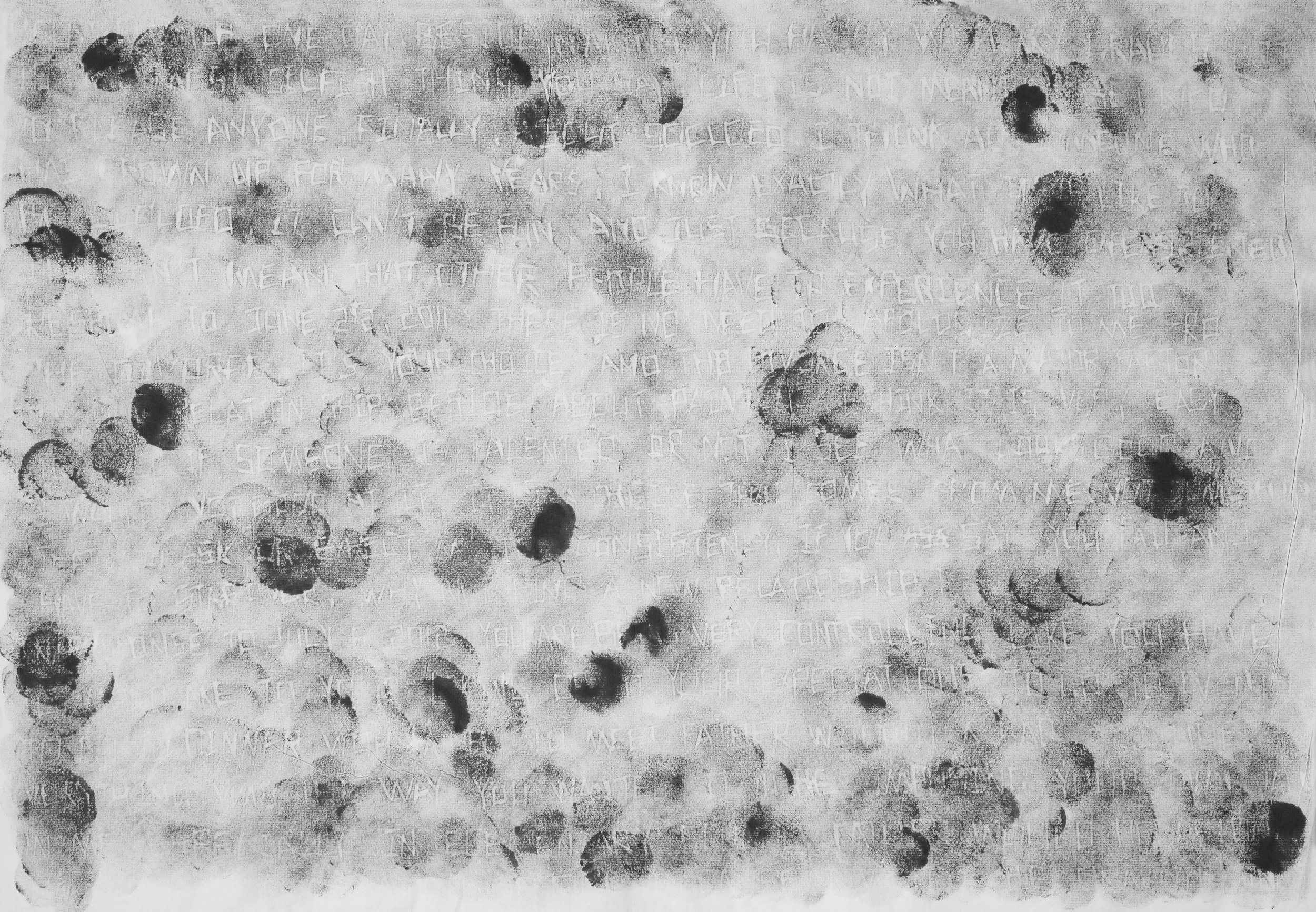
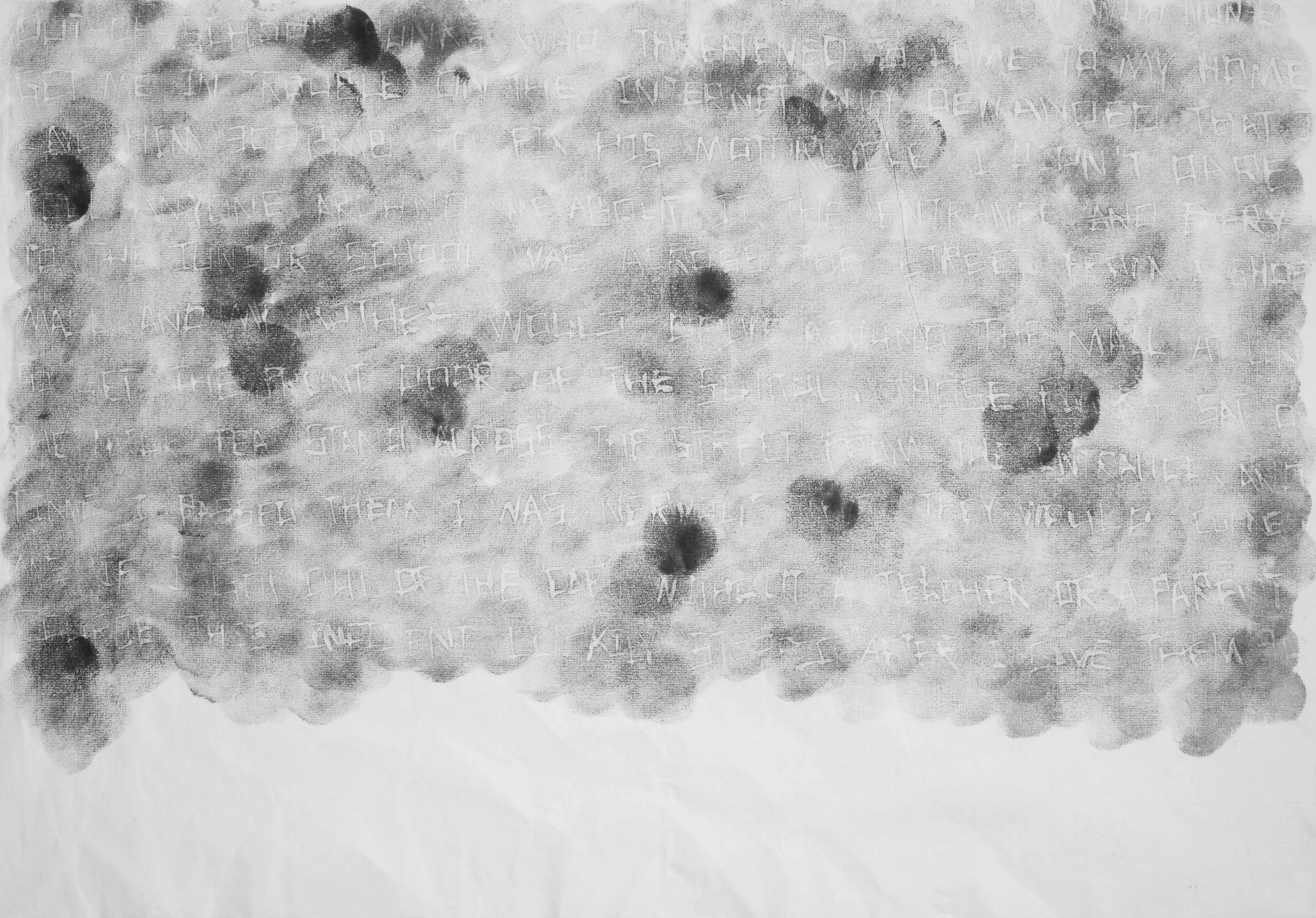
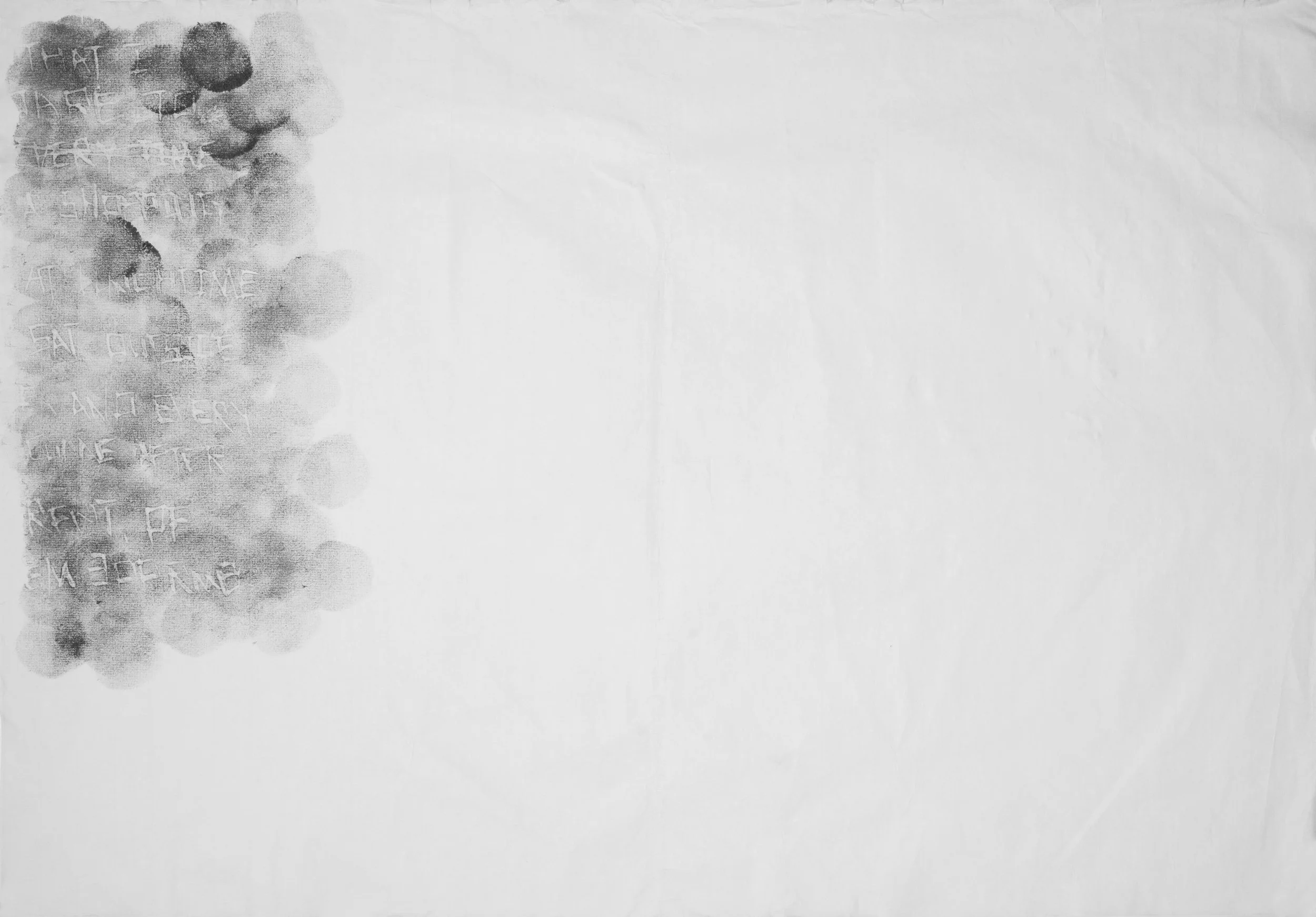
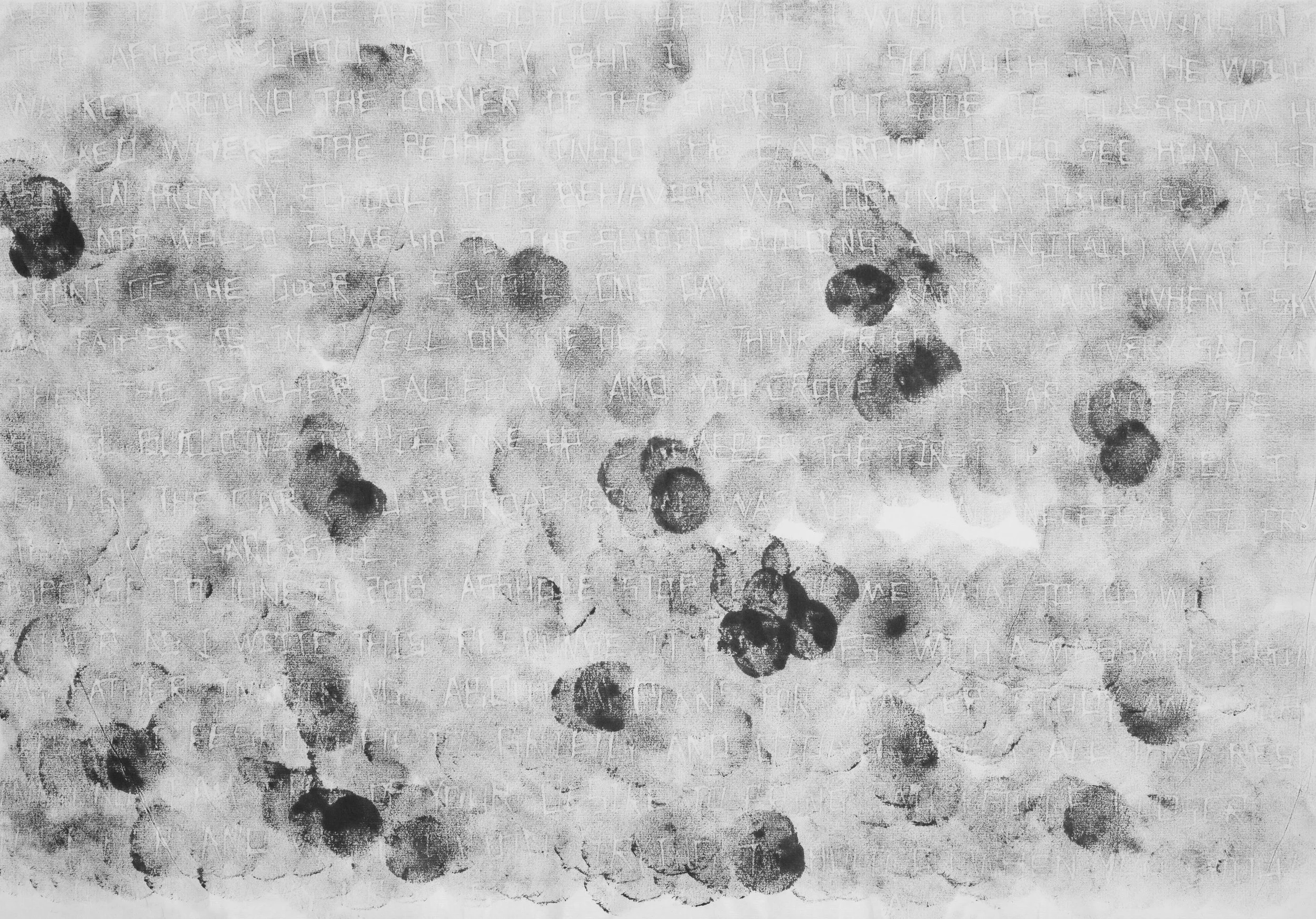
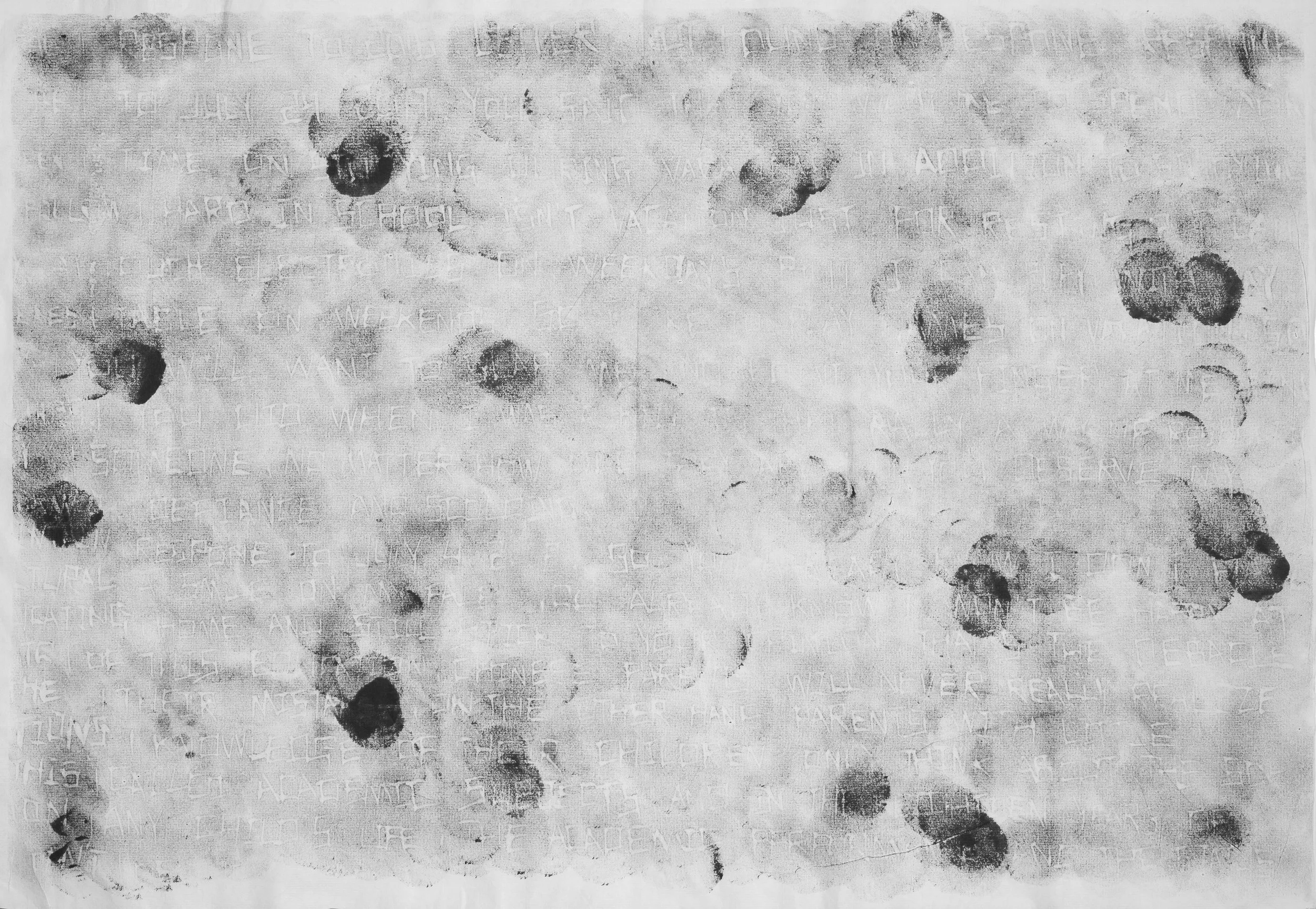
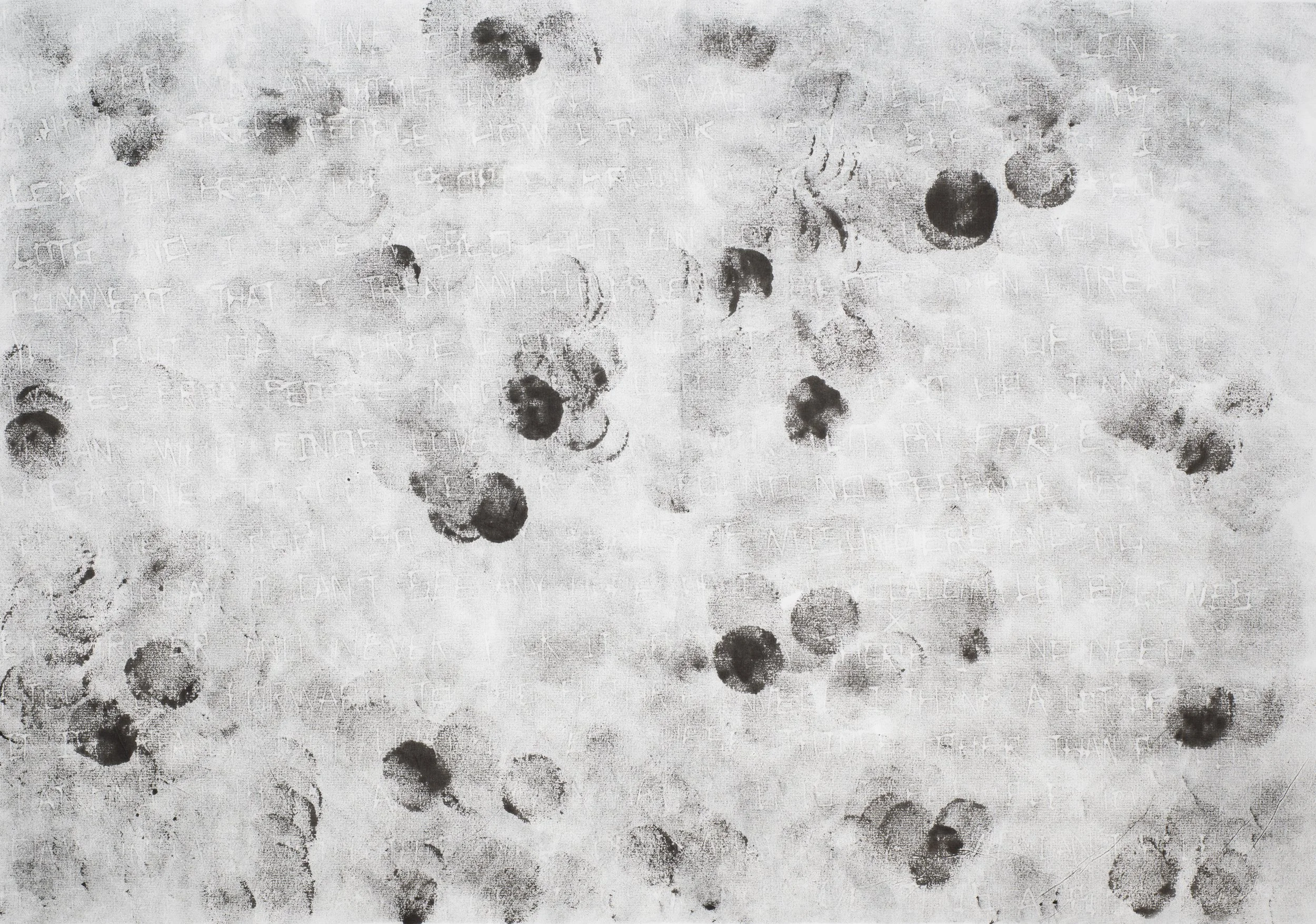
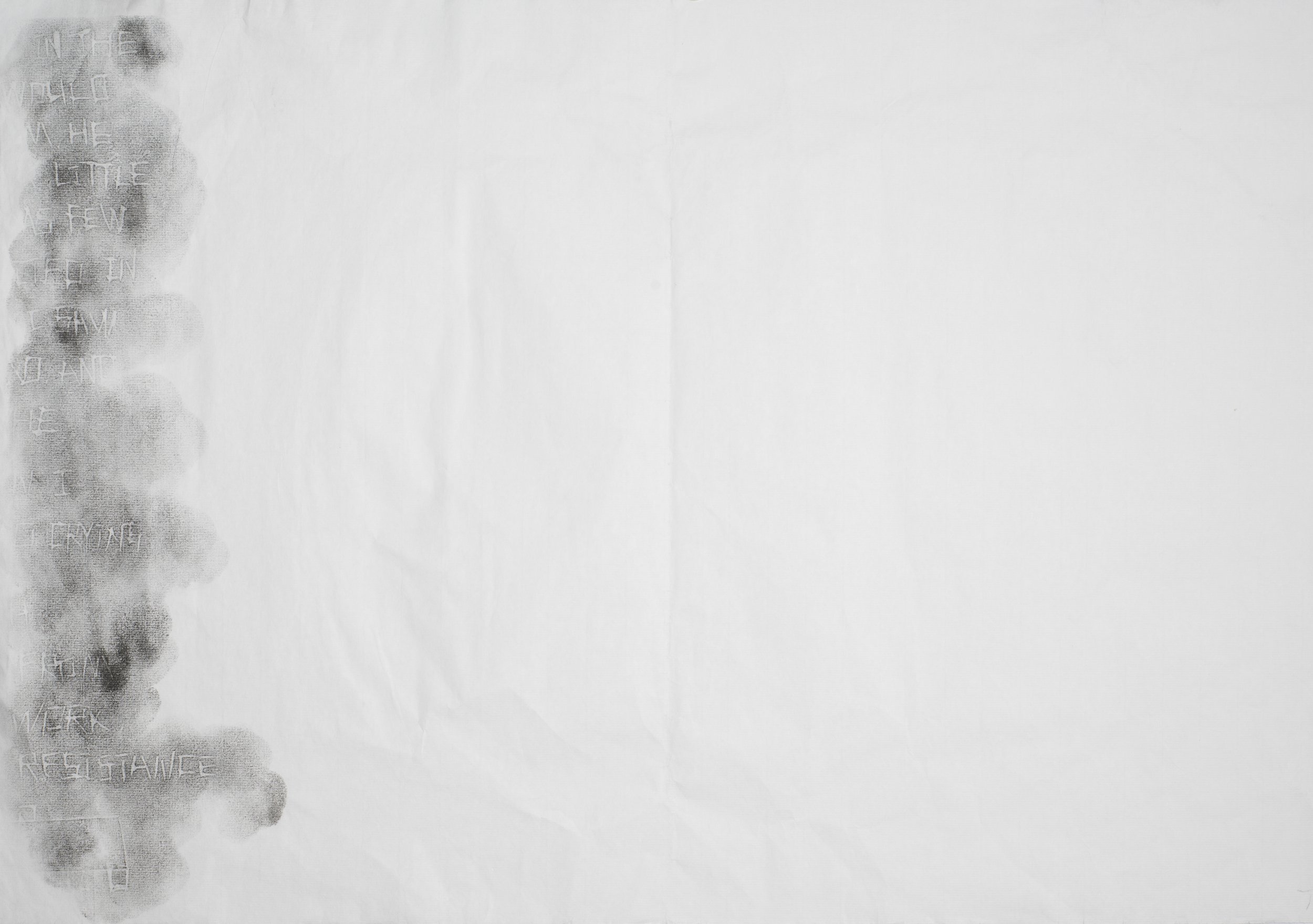
Without communicating with my mother, I carved responses to each letter in English (a non-native language, indicating an unwillingness to communicate directly) on the walls of the house, then inked them onto paper.
Section 4 <I hope you can think of me as mother>
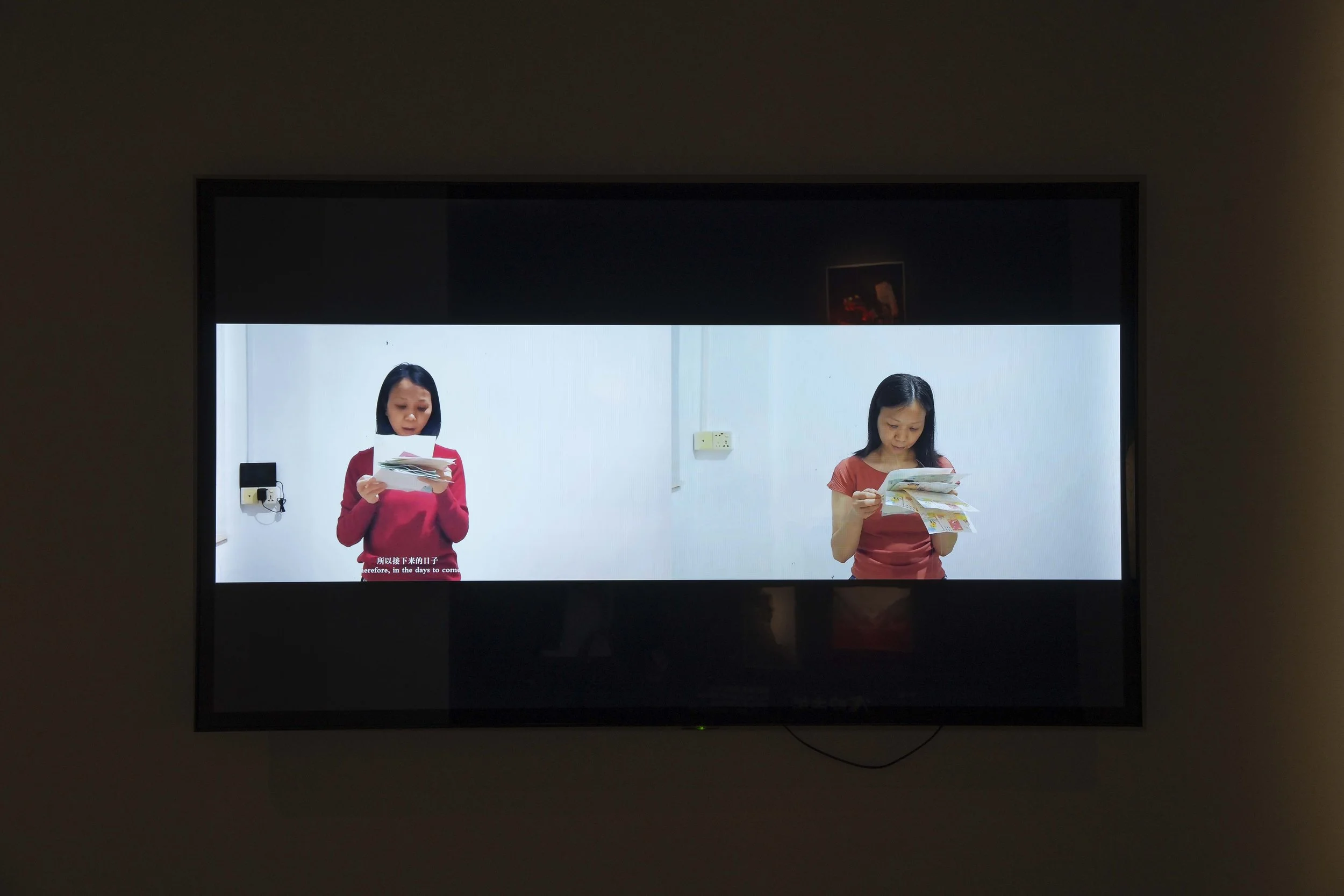
It has been nearly a decade since I last called my mother “Mom,” and to this day, that remains her wish. Yet when faced with her directly, I simply cannot bring myself to say it. Throughout the process of creating the rubbing in the previous section, and even after its completion, my mother never “interpreted” the condition of the wall. I felt a slight sense of relief, yet also some anxiety about the work's “response.” After leaving home, I hung the original letter at each spot where a response had been carved. I then set the following two recording tasks.
Task 1: I instructed my mother remotely via text message to record herself: take down each letter hanging on the wall and read aloud the contents of each letter.
Task 2: I returned home, set up the camera for my mother, explained that I would be recording the contents of the letter, and asked her to narrate it herself.