从草原来,甚至穿过了云 From The Grasslands, Even Through The Clouds
作品创作于中国贵州的游牧艺术项目驻留.融合了行为、图像与视频。通过实地调研展开创作,讨论当地自然环境与民俗传统、快速发展的旅游业对彝族牧民传统生活模式的碰撞关系。
通过五个创作部分,客观审视了该地区自然、民族与神话的关系
This work was created during an artist residency in Guizhou(southwest China), integrating performance, imagery, and video. It unfolds through field research, engaging with the local natural environment and customs to explore the intervention of rapid social tourism development within the traditional pastoral practices of the local Yi herders.
Through five sections, it discuss the relationship between nature, ethnicity, and mythology in the region.
Section 1 <植物,民歌,家人>
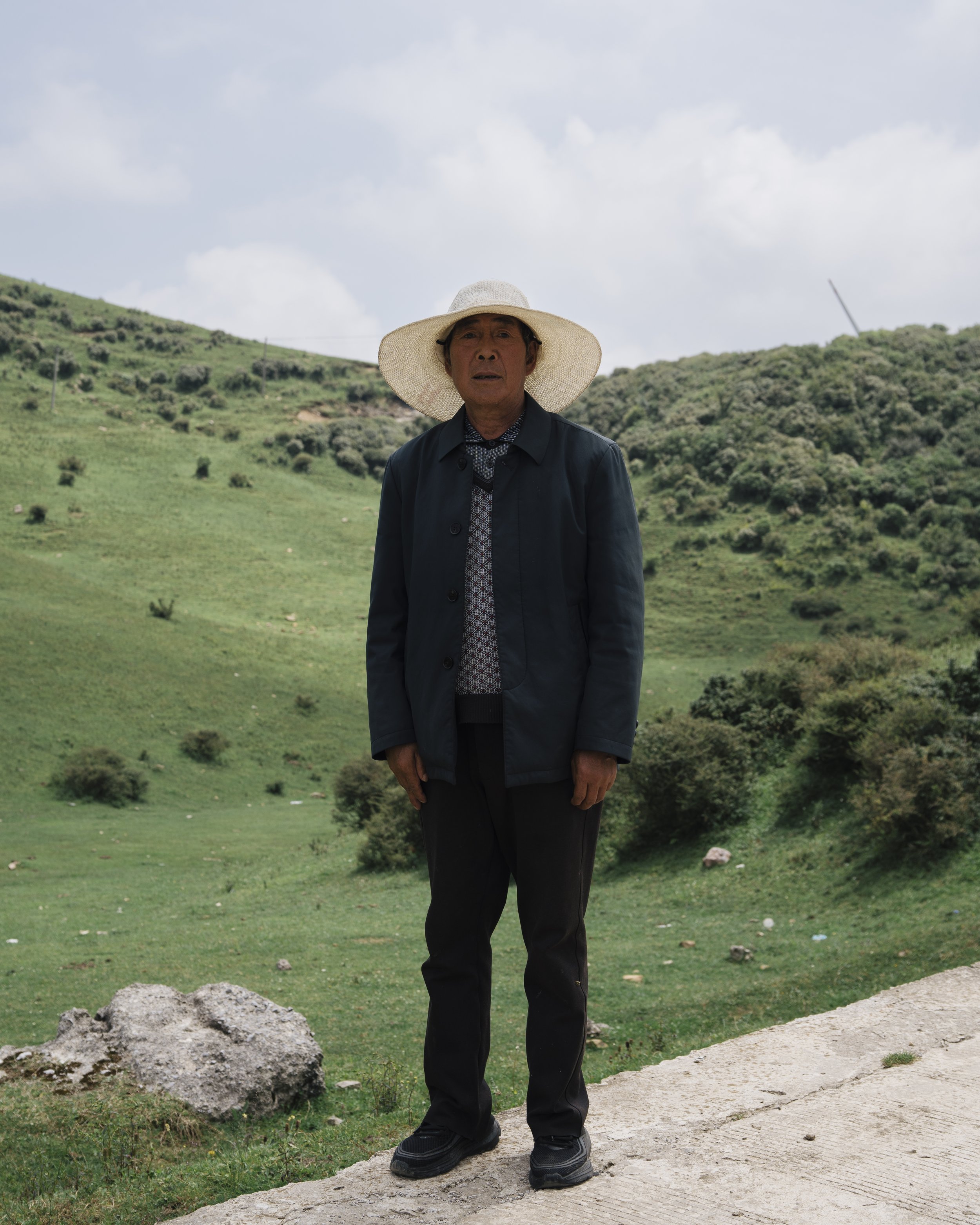
百草坪上有一位和众多邻居一起放牧的牧民,向其表明来意后,牧民王哥带领作者前往了一些当地牧民才知晓的地点.植物在此过程中是作者与王哥建立联系的“初步”,而民歌则是王哥对自己牧民身份认同感的一种映射,而家人,是彝族牧民和百草坪这片地最深刻的联结.
*注:作者在此过程中使用不太标准的成都方言与牧民进行沟通与旁白,原因在于当地牧民更习惯云贵川方言/彝语(对普通话并不熟练),而作者的普通话带有浓烈的广东口音,若使用此方式沟通经常需要重复数次
Section 1 <Plants, Folk Songs and Family>
On the Baicaoping grassland, a herder named Wang who was tending livestock alongside many neighbors. After explaining my purpose, Wang guided me to locations known only to local herders. In this process, plants served as the “initial connection” between me and Wang during this journey, while folk songs reflected Wang's sense of identity as a herder. Family, however, represents the deepest bond between the Yi herders and the Baicaoping grassland itself.
*Note: The author communicates and narrates in non-standard Chengdu dialect throughout this process. This approach stems from local herders' greater familiarity with Yunnan-Guizhou-Sichuan dialects/Yi language (rather than Mandarin), while the author's Mandarin carries a strong Cantonese accent. Using this method minimizes the need for repeated explanations.
Section 2 <此地>
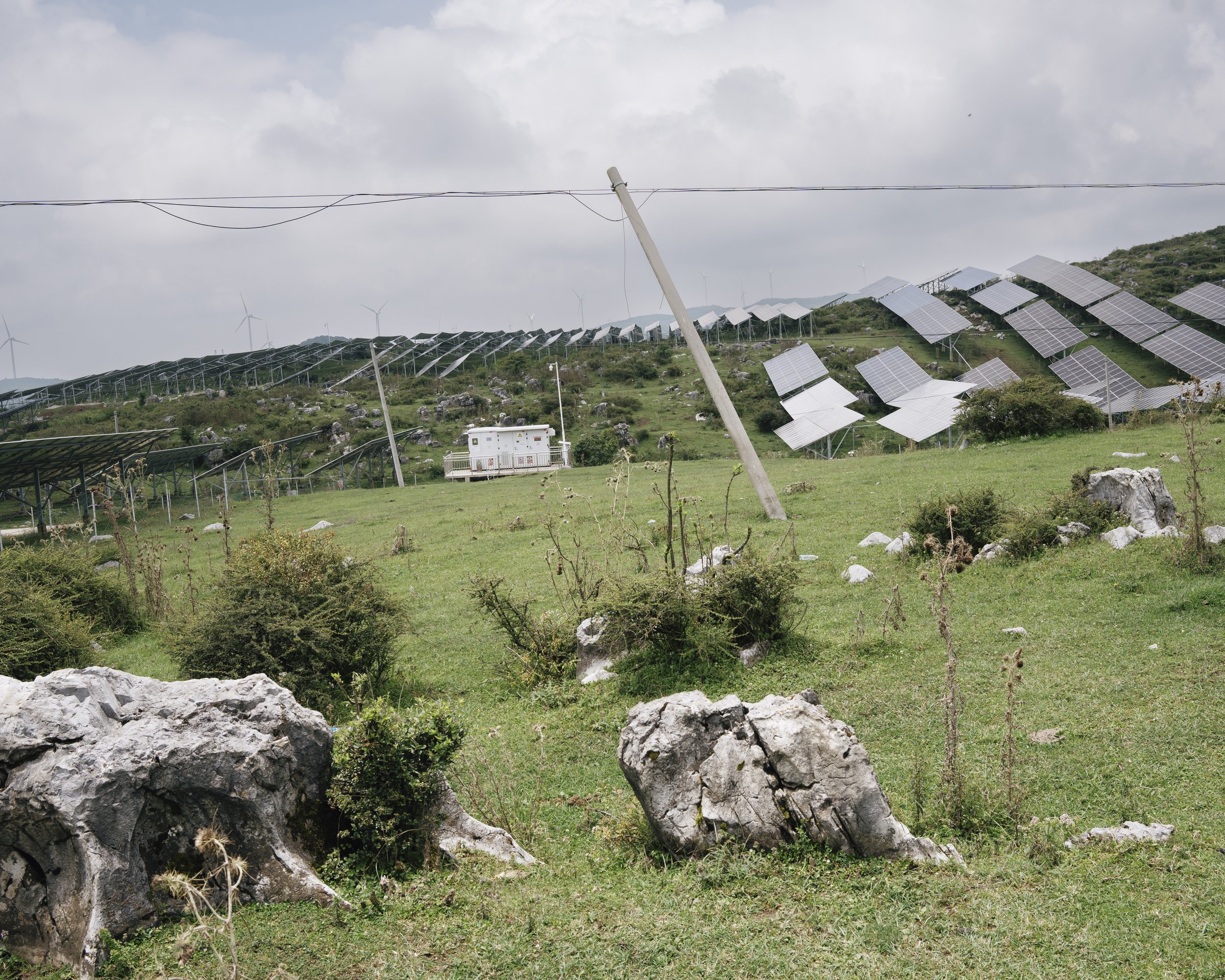
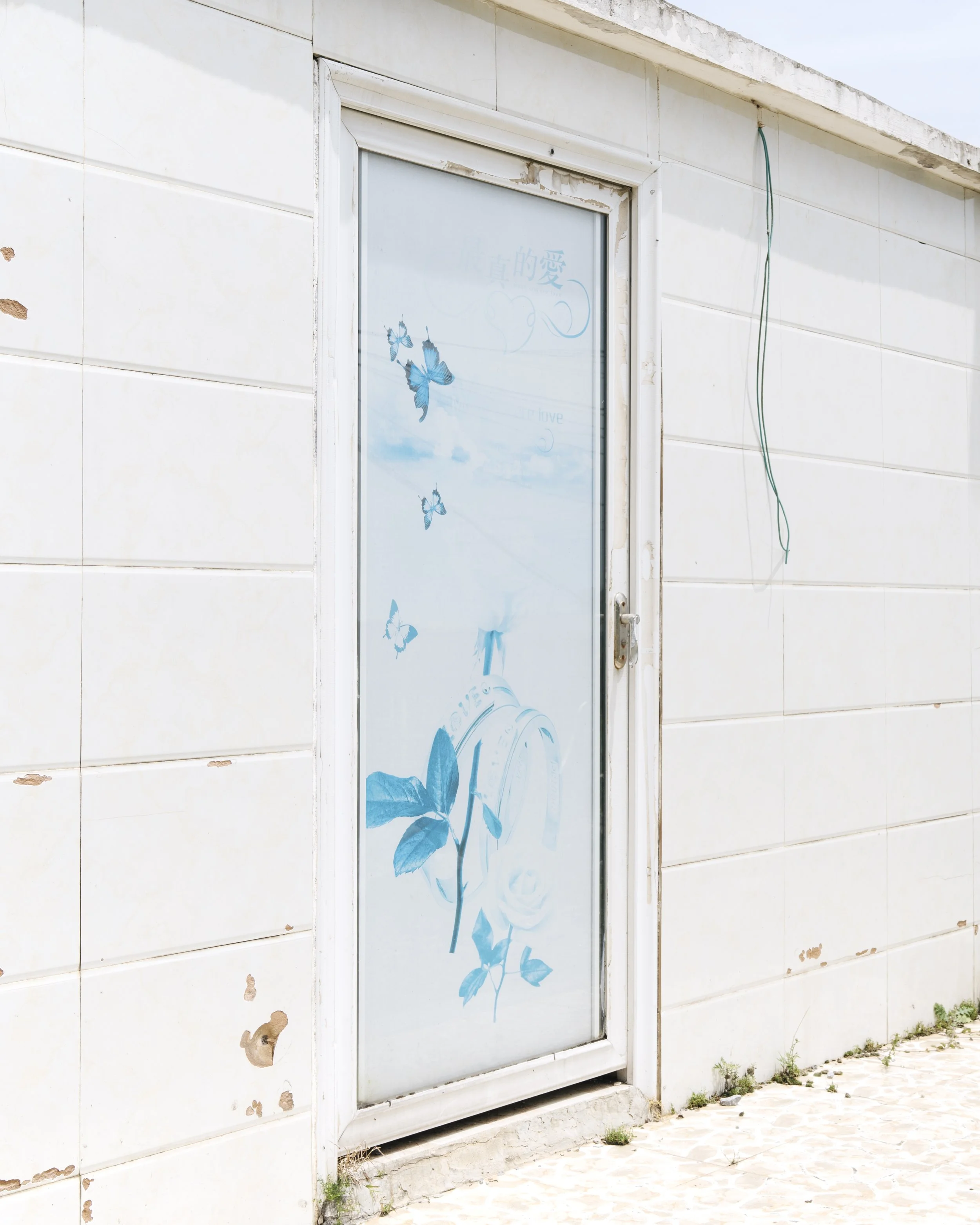
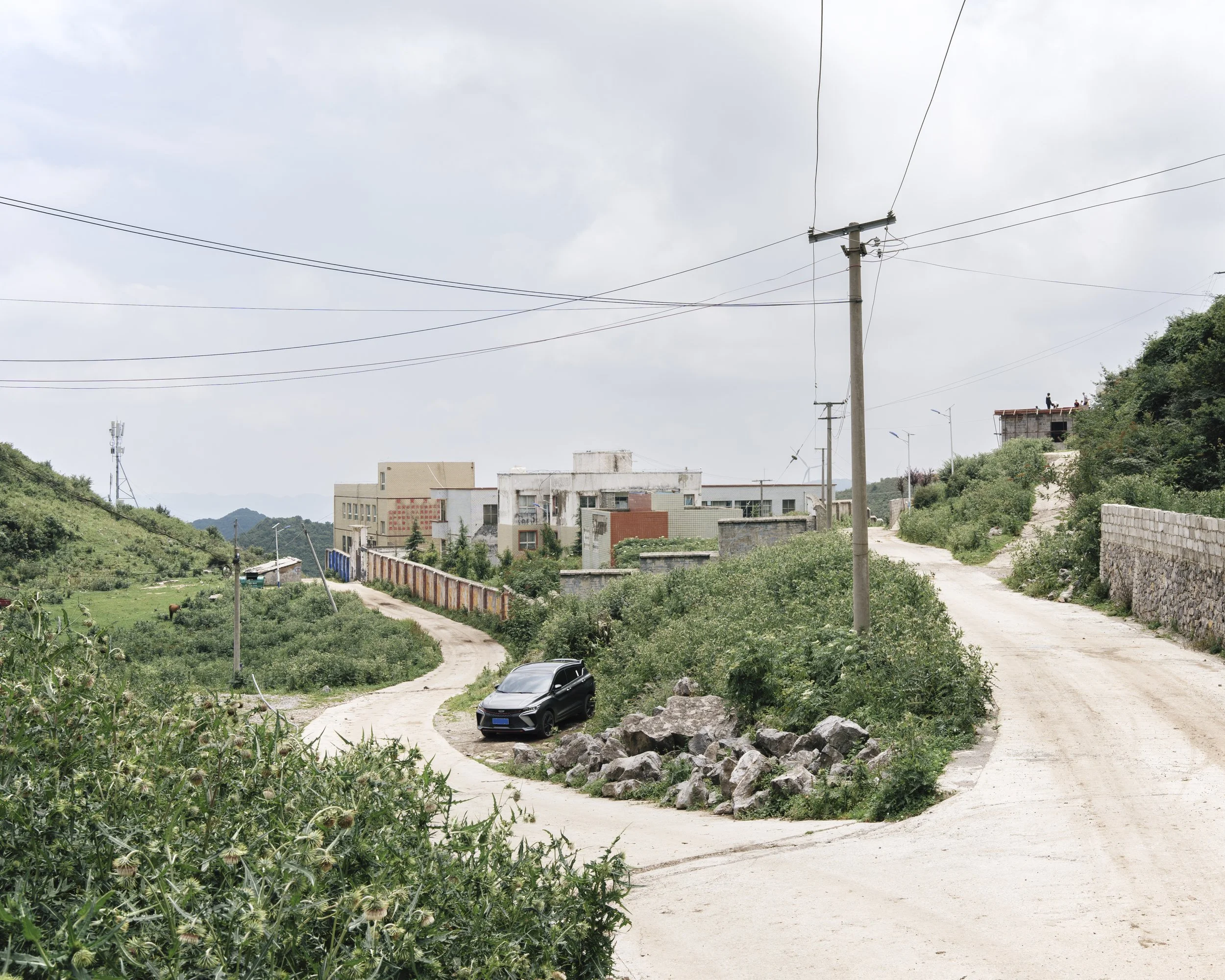
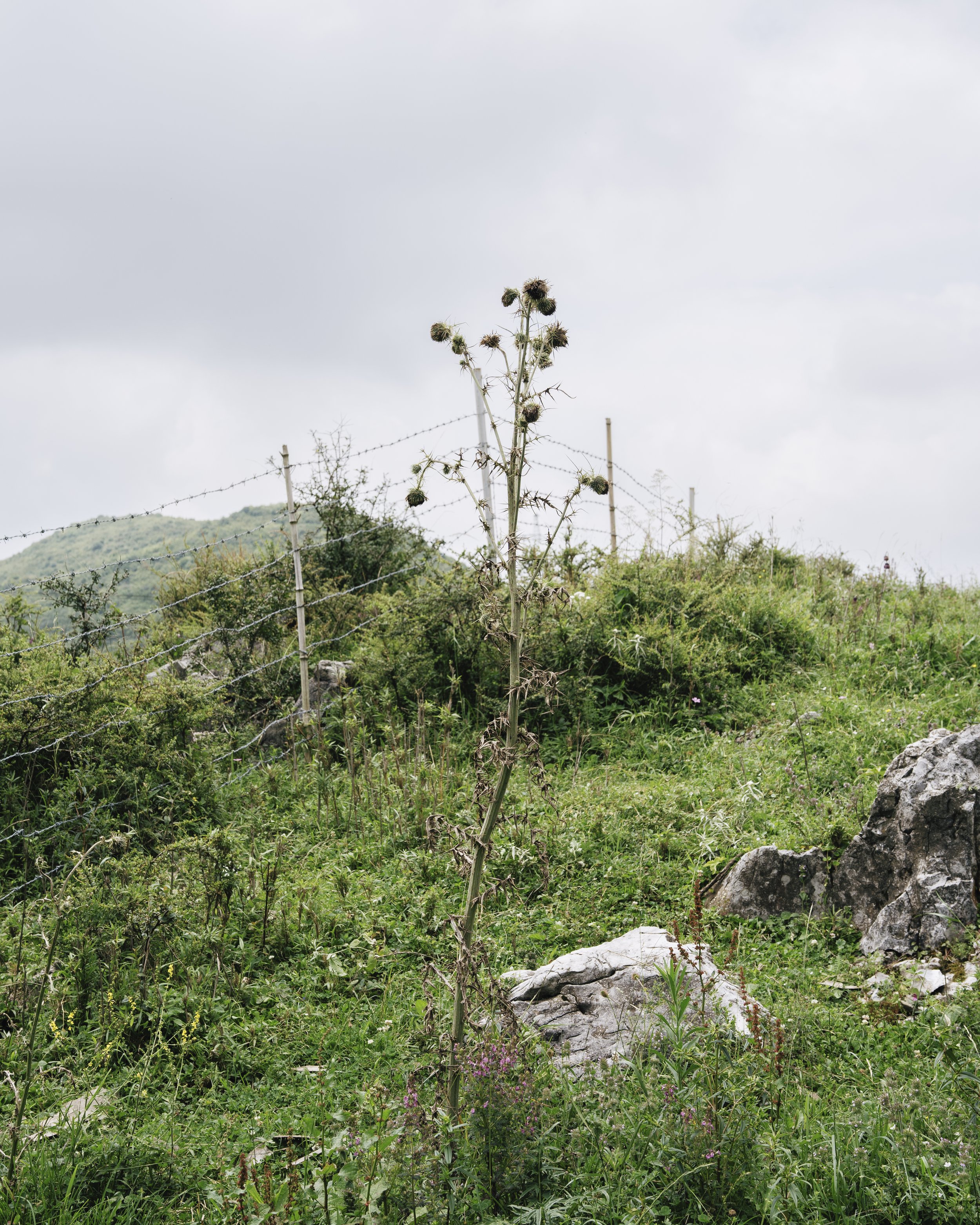
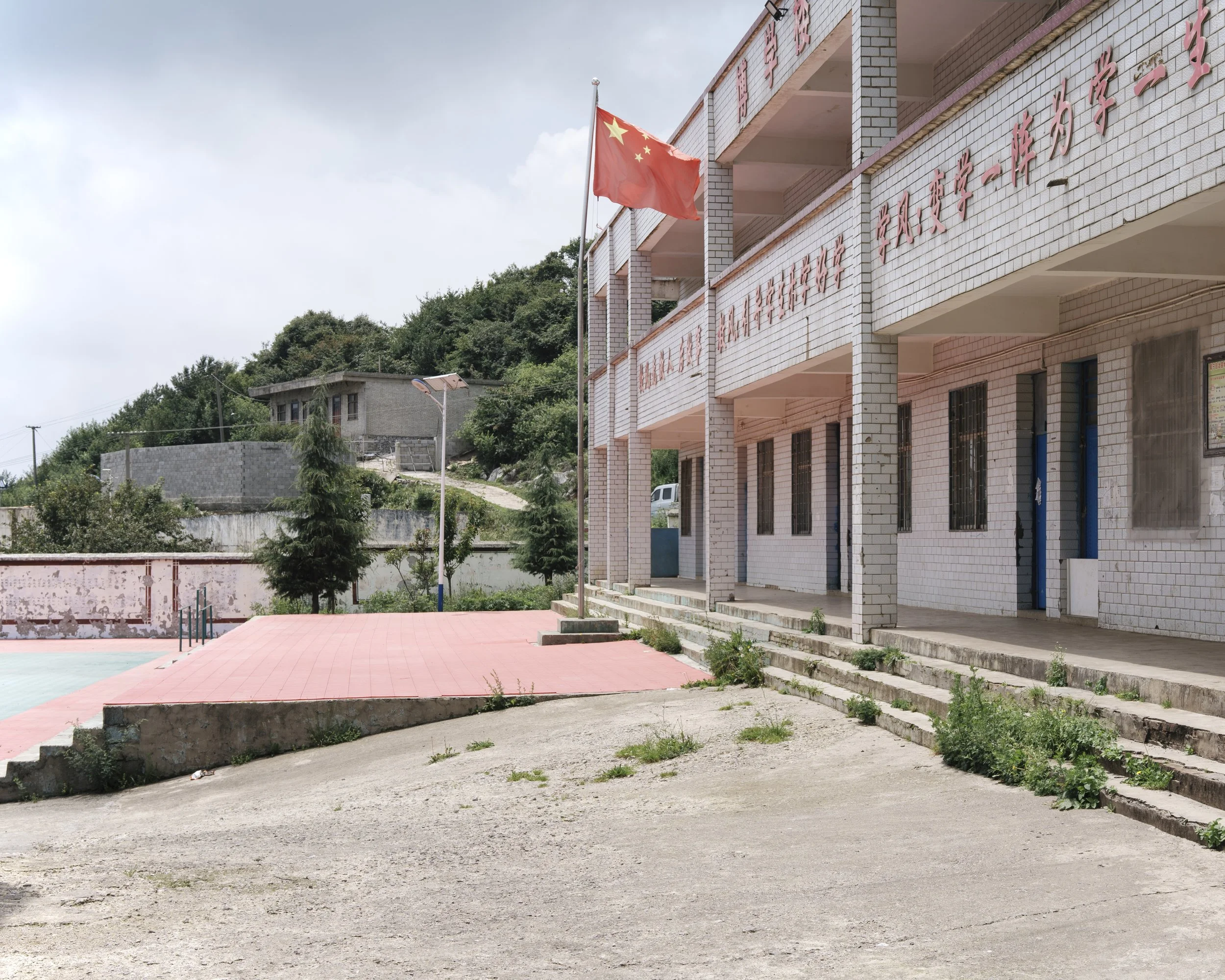
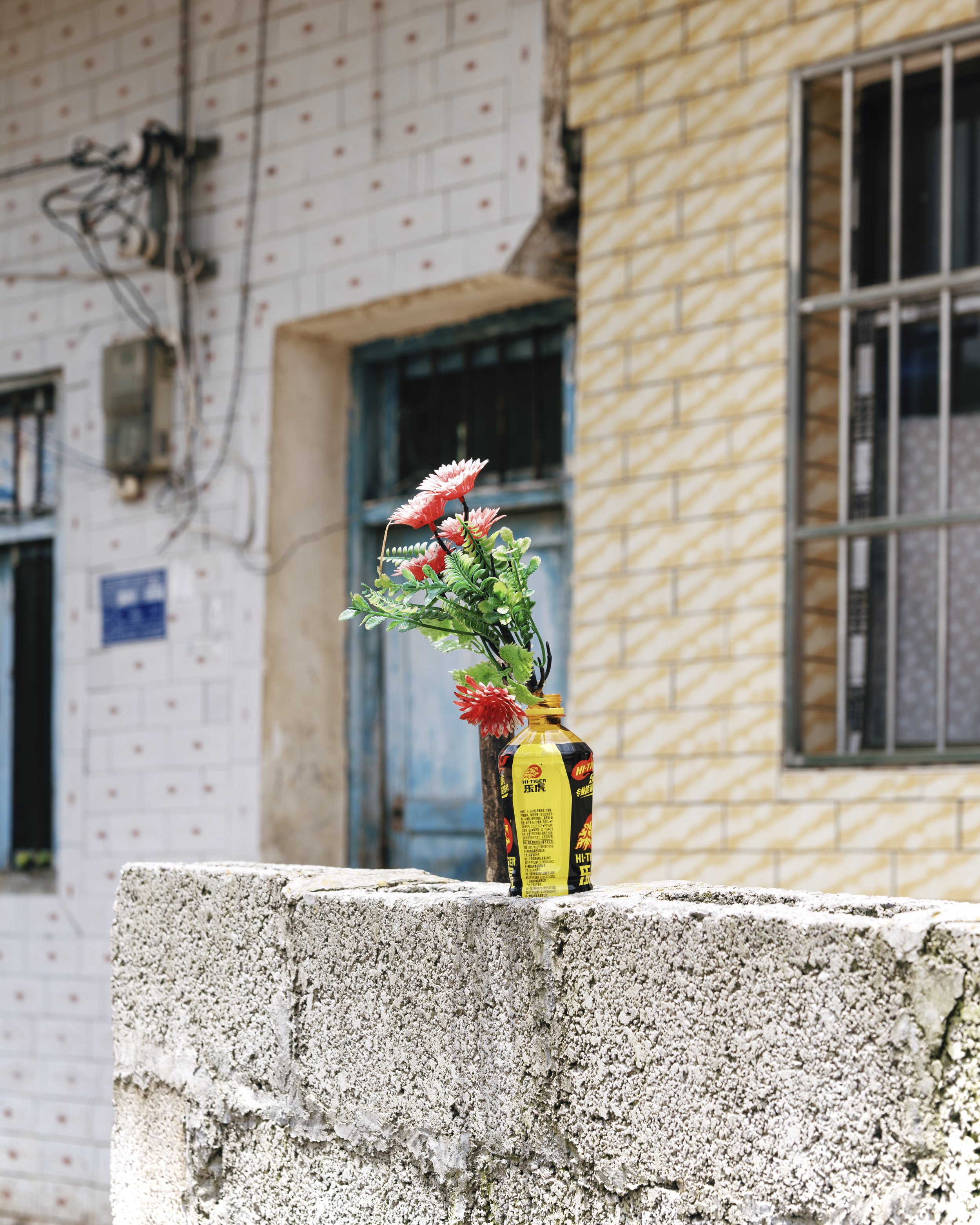
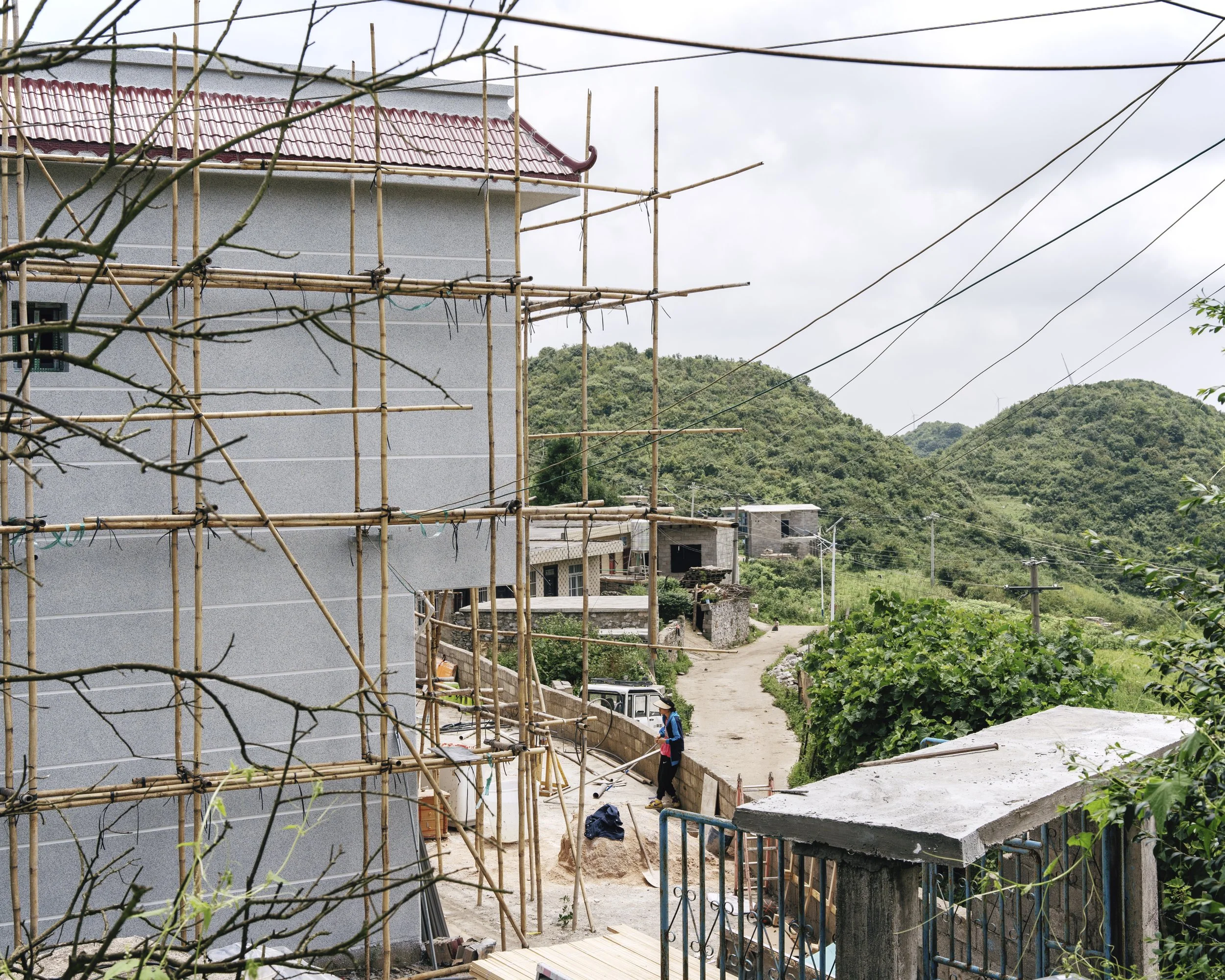
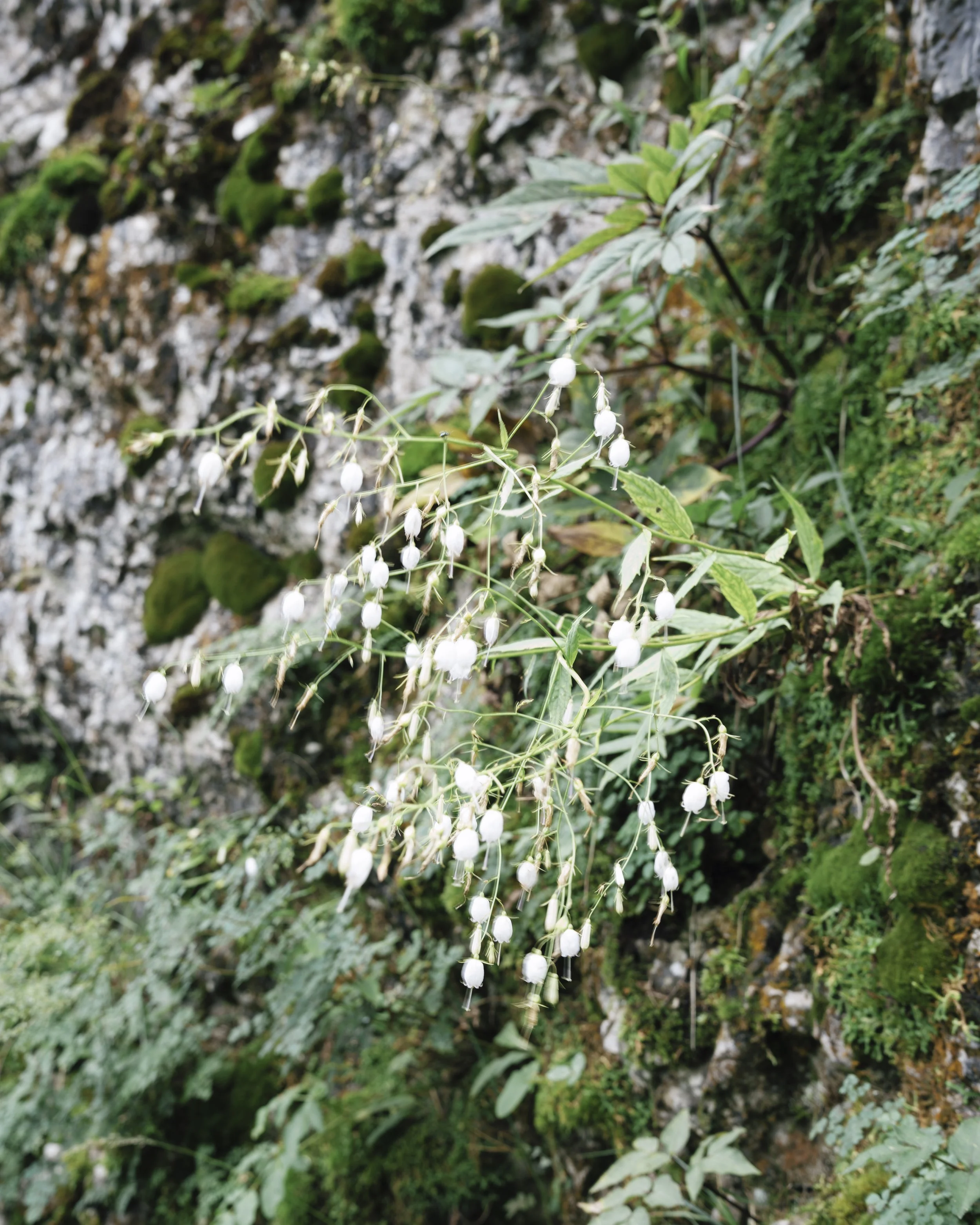
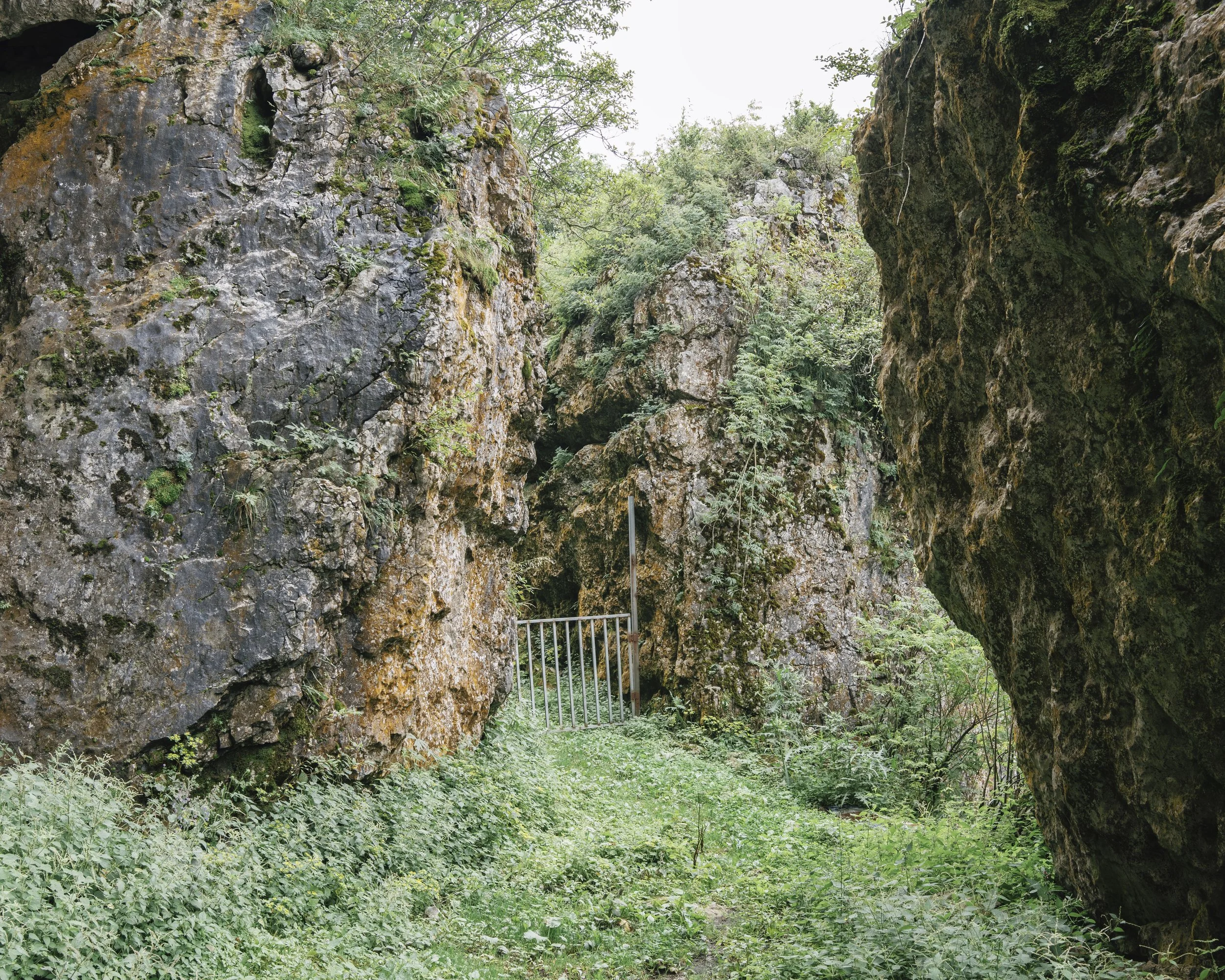
此地,是牧民百草坪大多数牧民所居住的村庄,只有八十多户人口.该处的村景、植物、自然景观,它们像是在迎接,也像是在对我告别。
Section 2 <This Place>
This place is the village where most of the herders of Baicaoping reside, home to just over eighty households. The scenery, plants, and natural landscapes here seemed both to welcome me and to bid me farewel

Section 3 <放假了,就常回来看看>
当地牧民普遍都入步入一个将老未老的状态,他们的后代也只有少数会在放假的时候才回到百草坪与父母一起生活。草坪,早已成为当地彝族人民的家,王哥会拉上自己的小儿子一起在草坪上帮忙看马,但另一边,他的儿子却也渴望回家(住居的地点)。本该维系起两代人的媒介(草原)具象出断裂的痕迹。
彝族相信世间所有事物都有灵魂。当地的石头被视为是“天地的见证者”,能够与自然神灵沟通,人们会在石头前祈愿。因此, 我用彝族文字在当地的石头上刻满了彝语ꄰꅍ(译:回家)
Section 3 <Back Home Between Terms>
Local herders have largely entered a state of being neither young nor old, and only a few of their descendants return to Baicaoping during holidays to live with their parents. The grassland has long become home to the local Yi people. Wang brings his youngest son to help tend horses on the grassland, yet his son yearns to return to their dwelling place. The very medium meant to bridge two generations—the grassland—now bears visible traces of fracture.
The Yi people believe all things possess souls. Local stones are revered as “witnesses of heaven and earth,” capable of communicating with nature spirits. People offer prayers before these stones. Thus, I inscribed the Yi word ꄰꅍ (translation: return home) across the stones using the Yi script
Section 4 <痕迹>
距今两亿多年前的三叠纪时期,贵州大部分地区是海洋,随着地壳运动,这些区域逐渐抬升成为陆地,形成了如今的贵州高原。
接替上部分中石头的意象,作者观察到百草坪的石头上会行成几毫米深的化石痕迹,短暂的驻地过程中,作者思考能因为此地留下什么痕迹,于是乎将脸紧贴石头,尽力将石头表面的痕迹遗留在脸颊。几分钟后,痕迹消失。
Section 4 <Trace>
Over 200 million years ago during the Triassic period, most of Guizhou was covered by oceans. Through tectonic movements, these areas gradually rose to form land, creating the Guizhou Plateau we see today.
Building upon the imagery of stones from the previous section, the author observed that fossil traces several millimeters deep form on the rocks at Baicaoping. During a brief residency, the author contemplated what traces they could leave behind in this place. Thus, they pressed their face tightly against the stone, striving to imprint the surface's marks onto their cheek. After a few minutes, the traces vanished.
Section 5 <从草原离开>
在彝族的《指路经》中,植物是灵魂回归祖地路上的重要路标和庇护所.《指路经》,是彝族在葬礼上由祭司“毕摩”吟诵的一种特定经典,其核心目的是为逝者的灵魂指引回归祖地的道路.
驻地主题——游牧,外来者从异地到草原上探寻某物. 彝族牧民的放牧,是从一个驻地(家)向另一个驻地(草原)的移动;而指路,则是从此岸向彼岸归所.都指向了一种意境:彼地到此地.
该部分当中,作者收集了王哥带领下认识的植物和一些偶发遇到的新树叶,在百草坪上将他们托到空中,跟随者风带走它们的足迹。
Section 5 <Leaving the grasslands>
This section draws inspiration from religious mythology. In the Yi people's Guiding Scripture, plants serve as vital landmarks and shelters for souls journeying back to ancestral lands.
The theme of the artist residency—nomadism—refers to outsiders journeying to the grasslands in search of something. For Yi herders, however, grazing involves moving from one dwelling (home) to another (the grasslands). On these grasslands, both outsiders and natives engage in nomadic practices.
I gathered plants introduced by Wang and newly discovered leaves encountered by chance. On the Hundred Grass Meadow, I suspended them in the air, following the wind as it carried away their traces.